Larchmont NY Lifestyle Guide to Village and Waterfront Living
May 28, 2026
May 28, 2026
If you want a village feel without giving up shoreline scenery or train access to New York City, Larchmont is easy to notice. In just about one square mile, you get a true downtown, a Long Island Sound setting, and housing that spans everything from historic homes to condos. If you are wondering what daily life here actually looks like, this guide will walk you through the village layout, waterfront access, housing character, and commute picture. Let’s dive in.
Larchmont is a compact incorporated village in the Town of Mamaroneck with an estimated 2025 population of 6,750. Its footprint is small, but the setting is distinct, with the Long Island Sound shoreline to the east and the Metro-North New Haven Line running through the village.
That combination shapes how the village feels day to day. You have a concentrated center, established residential streets, and a shoreline that remains one of the defining features of the community.
One of Larchmont’s biggest draws is that the commercial core is actually set up for walking. The main district centers around Palmer Avenue, Boston Post Road, Larchmont Avenue, and Chatsworth Avenue, and village planning documents specifically support a park-and-walk approach.
That matters if you value being able to run errands, grab coffee, or meet friends without needing to drive from stop to stop. The village center grew around the railroad station and Boston Post Road after incorporation in 1891, which helps explain why it still feels compact and connected instead of spread out.
Downtown Larchmont offers a mix of local shopping and dining in a concentrated area. Westchester tourism materials describe boutiques, gourmet stores, a children’s bookshop, decorating studios, and a wide variety of places to eat.
The village rhythm also has a local, everyday feel. A typical day might include a breakfast café, lunch spot, ice cream stop, or outdoor dining, which is part of why the area appeals to both long-time residents and buyers relocating from more car-dependent areas.
Another small but meaningful part of village life is the Saturday farmers market at the train station. It runs from April through December and adds a regular community touchpoint right in the center of town.
For many buyers, details like this help bring the lifestyle into focus. It is not just about the home itself. It is also about how easy it feels to be out in the village and part of daily local activity.
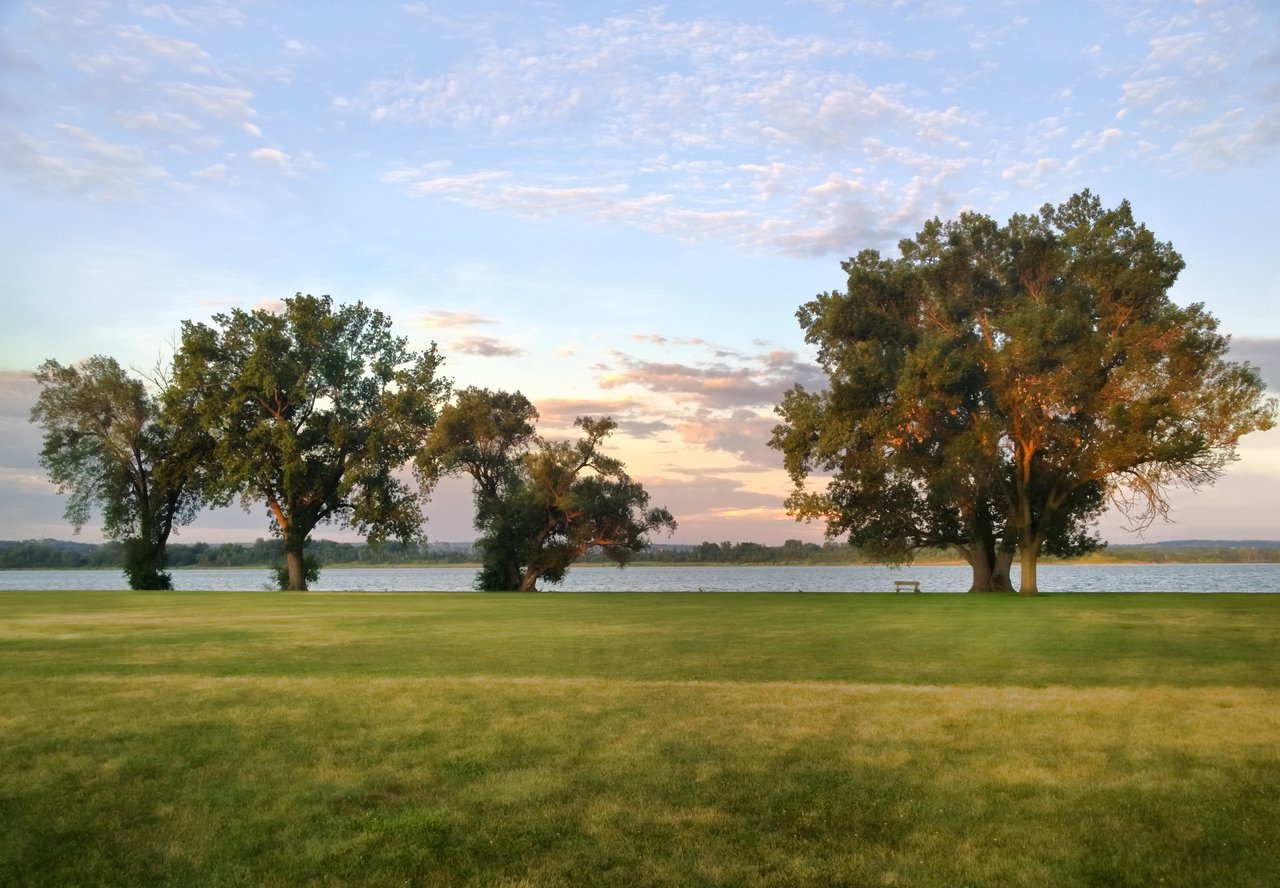
Larchmont’s waterfront is one of its signature features, but it helps to understand what that really means. The Village of Larchmont contains roughly eight of the nine miles of highly indented coastline in the broader bi-municipal area covered by the local waterfront plan.
In practical terms, the shoreline adds visual appeal, walking opportunities, and open space. It is less about public boating infrastructure and more about views, lawns, shoreline edges, and passive recreation.
Larchmont Manor Park is a major shoreline amenity. According to the local waterfront plan, it is a 12.65-acre privately owned park that extends along about a half-mile of shore from Umbrella Point to Horseshoe Harbor.
Access is important to clarify here. Public use is governed by resident-shareholder rules, and seasonal beach and swimming access is controlled accordingly, so this is not the same as an open public waterfront park with universal access.
If you picture a village waterfront with public marinas and boat launches, that is not the Larchmont setup. The local waterfront plan notes that there are no public boating facilities along the shoreline in Larchmont.
Instead, the waterfront experience is more about scenic character and outdoor enjoyment. For many buyers, that still carries real value because it shapes the atmosphere of the village and creates a sense of openness that is hard to replicate inland.
Beyond the shoreline itself, Larchmont has several parks that contribute to everyday recreation. The local waterfront plan notes that Flint Park, Pine Brook, Lorenzen, and Woodbine parks touch the waterfront or nearby streams.
These spaces help balance the compact village pattern with room for outdoor activity. They also give residents more than one way to enjoy the natural setting, whether that means a walk, time outdoors, or organized recreation.
Flint Park is the largest village park at 27 acres. It includes playing fields, tennis courts, paddle tennis courts, and a Play House used for meetings and cultural events.
That makes it one of the more versatile public amenities in the village. If you are evaluating lifestyle fit, Flint Park is a good example of how Larchmont pairs compact living with useful recreational space.
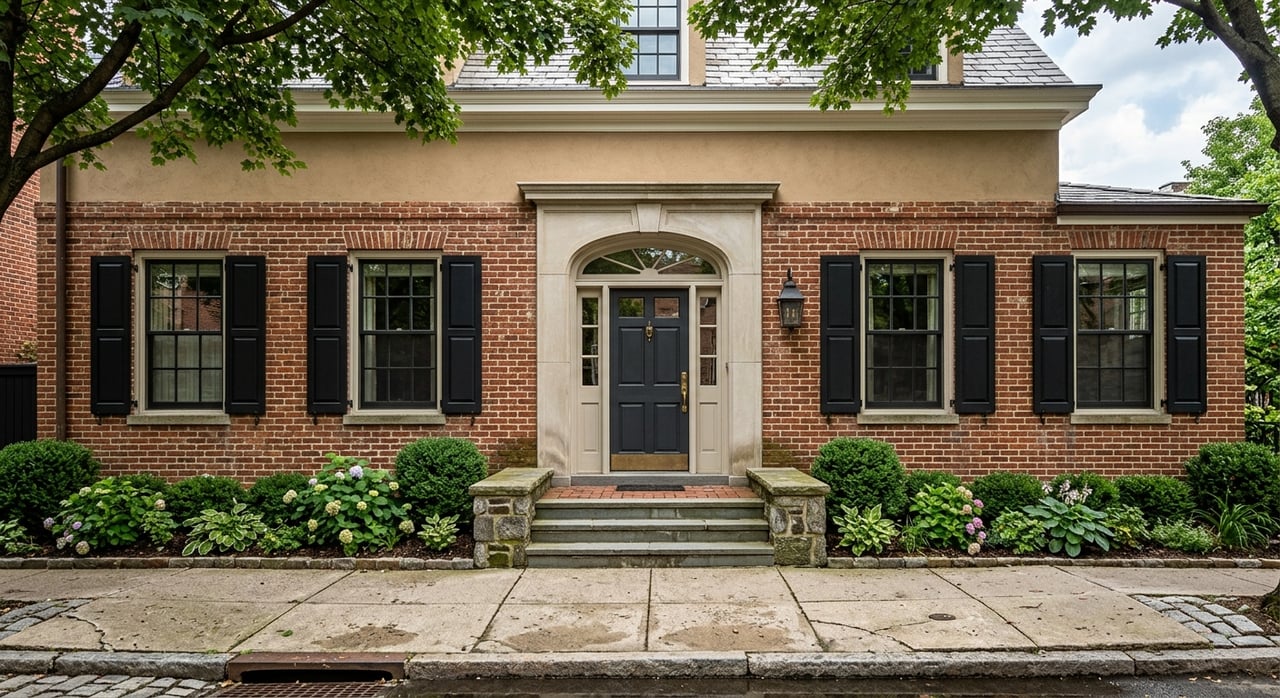
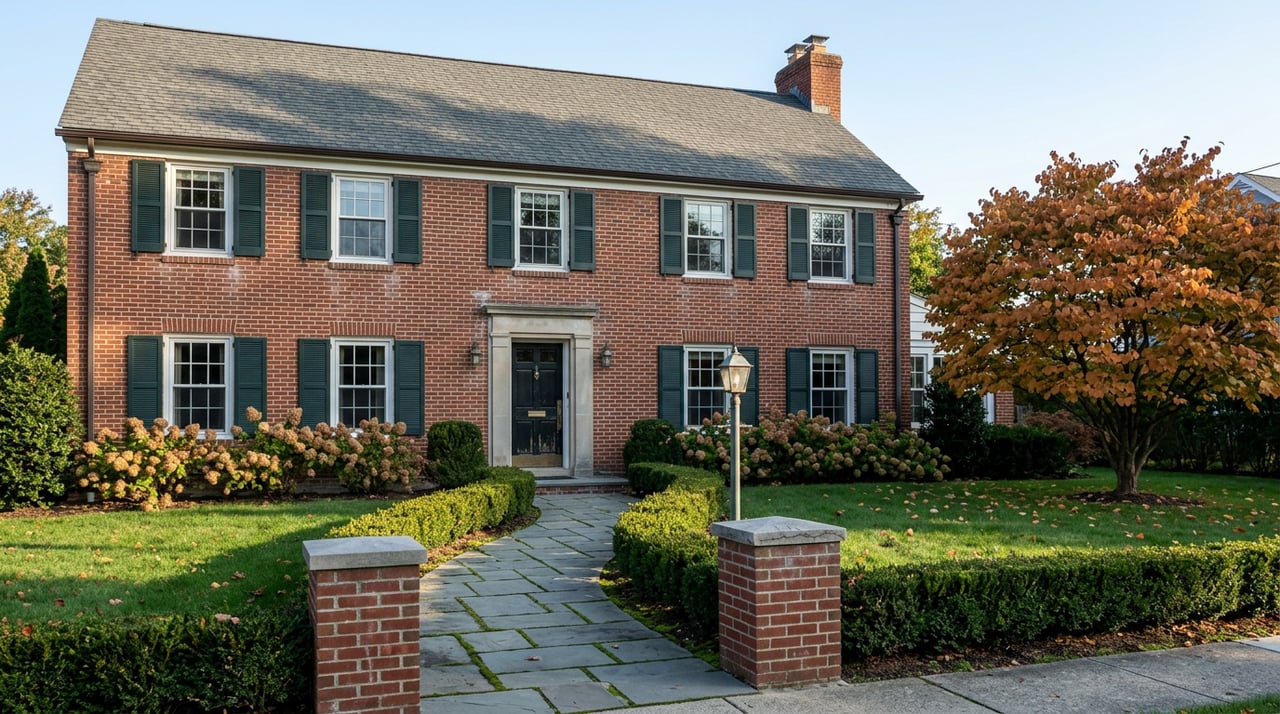
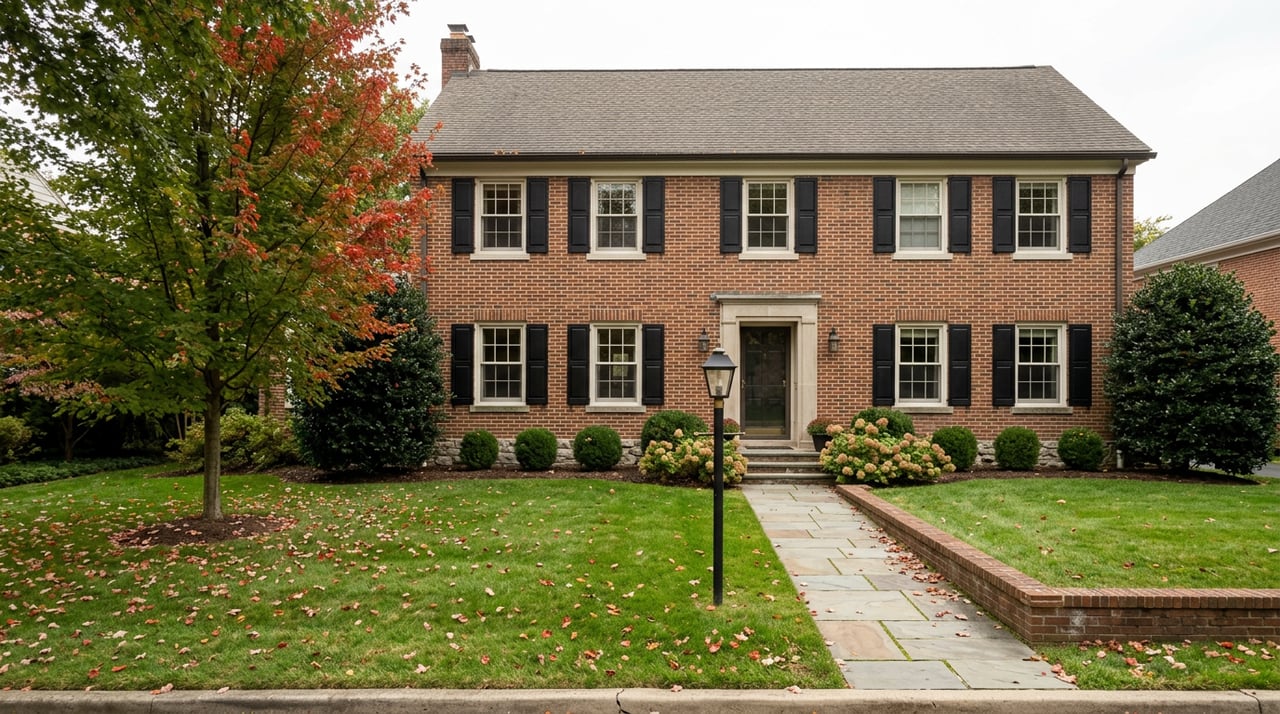
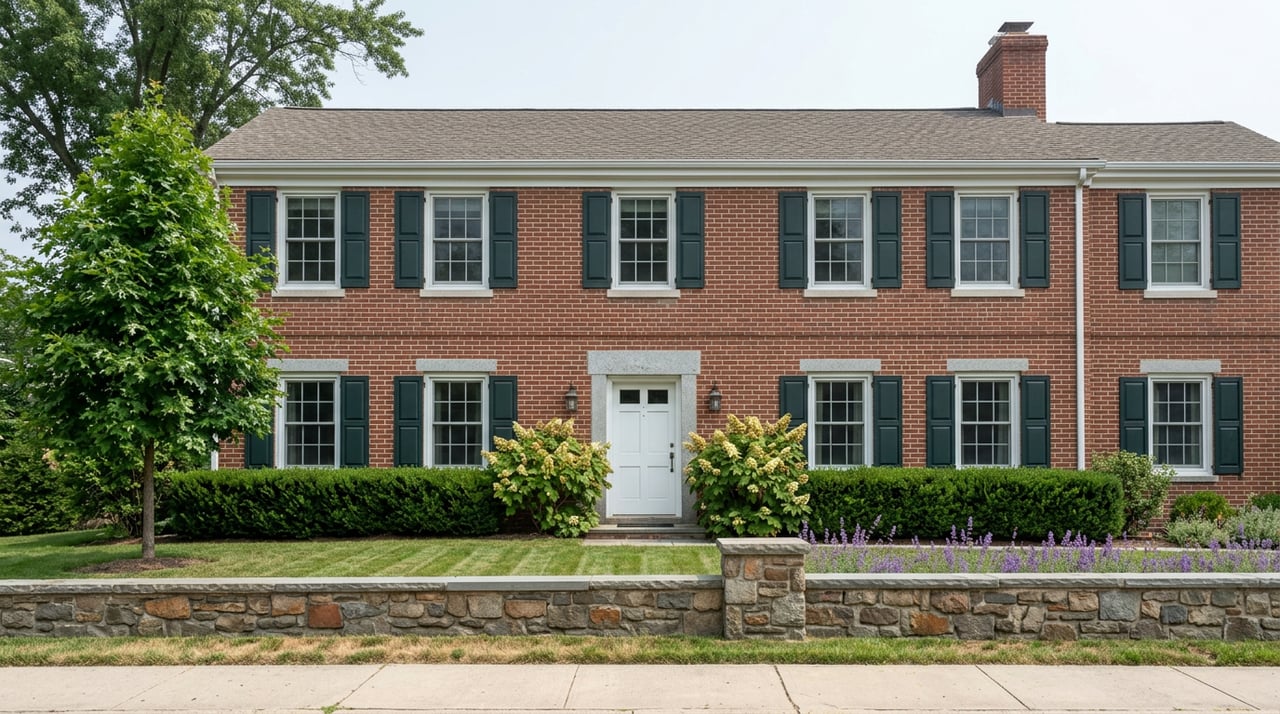
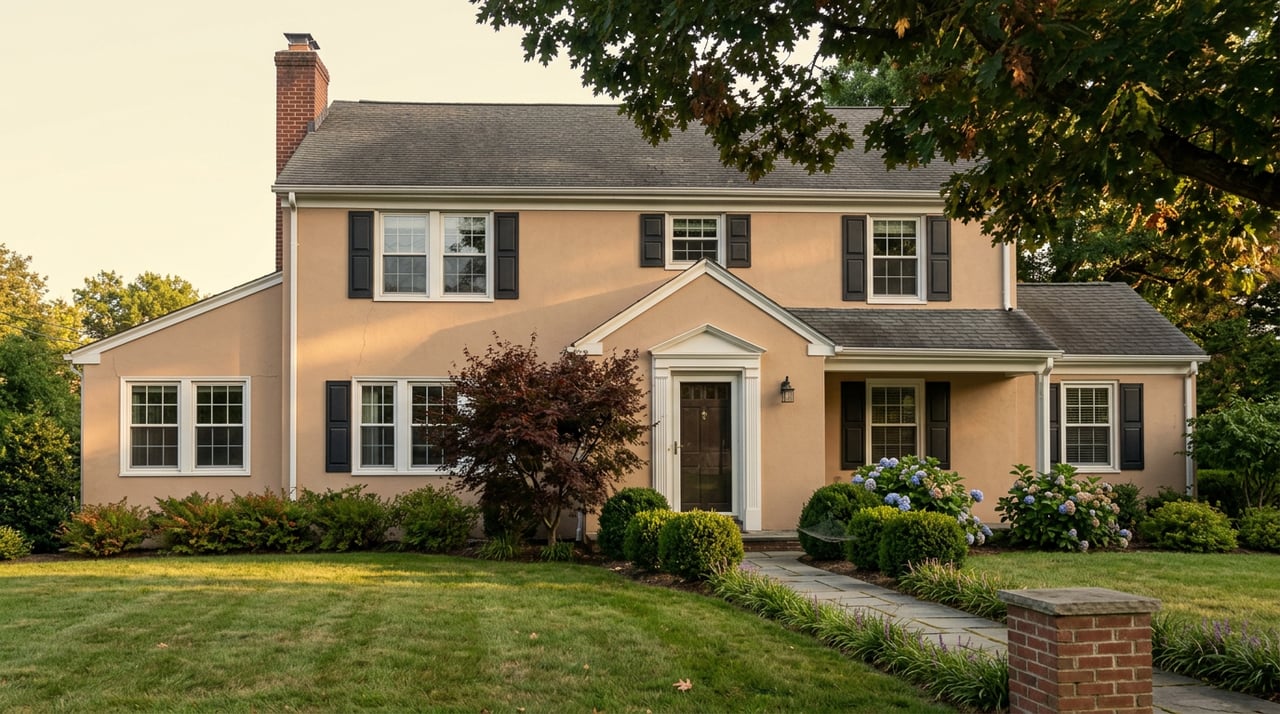
Larchmont has a broad architectural mix, which is part of what gives the village visual depth. Historic survey materials identify 1870s Gothic cottages, 1890s Shingle Style summer houses, early-1900s Colonial Revival homes, Craftsman homes, Cape Cods, Dutch Colonial Revival homes, and English Revival homes.
You also see postwar Cape Cod, Split Level, and Ranch styles. That range means your home search may include very different layouts, lot sizes, and levels of renovation, even within a relatively small geographic area.
Some of Larchmont’s Shingle Style homes began as second homes for city residents. That history helps explain why the village still feels commuter-oriented while also offering older housing stock with strong architectural character.
For buyers, this can be a real advantage. You are not limited to one look or one era, and that can create more options depending on your budget, space needs, and preferences around condition and style.
Larchmont is not only a detached single-family market. The current assessment roll includes apartment-condo parcels on Palmer Avenue, confirming that condo and apartment ownership exist alongside the older single-family fabric.
That matters if you want a lower-maintenance option or a different price point within the village. It can also broaden the market for both first-time buyers and downsizers who want the location and lifestyle without taking on a larger property.
Census data point to a mostly owner-occupied housing base in Larchmont. The owner-occupancy rate is 72.6%, the median owner-occupied value is $1,635,500, and the median gross rent is $2,093.
These numbers do not tell the whole story of any individual property, but they do give you a useful frame of reference. In general, Larchmont sits firmly in the mid-to-upper Westchester market, with values that reflect the village setting, waterfront character, and commuter convenience.
For many buyers, Larchmont’s appeal depends on the commute. Larchmont station is on Metro-North’s New Haven Line, and the MTA lists weekday service to Grand Central.
That direct rail connection is a major part of the village’s identity. It supports the needs of commuters while also reinforcing the walkable pattern around downtown and the station area.
The MTA identifies Larchmont as an accessible station. Features include elevators, a ramp, tactile warning strips, audiovisual passenger information systems, ticket machines, and Bee-Line bus connections.
If you rely on transit regularly, those practical details matter. Easy station access and supporting transit connections can make the day-to-day experience smoother, especially for busy professionals and households balancing work, school, and activities.
Larchmont can be a strong fit if you want a village environment with a real downtown, a shoreline setting, and a train-based commute option. It may also appeal to buyers who enjoy older housing stock and want more architectural variety than they might find in a newer development pattern.
At the same time, it helps to go in with clear expectations. Waterfront access exists, but much of the shoreline value is scenic and passive rather than centered on public boating, and housing options can vary widely by style, scale, and maintenance needs.
In a village this compact, small location differences can shape your experience in a big way. One home may put you closer to the train and village center, while another may offer a different relationship to parks, shoreline areas, or a specific housing style.
That is where local context becomes especially important. When I help buyers and sellers in lower Westchester villages like Larchmont, I focus on the details that affect daily life, market positioning, and long-term value, not just the listing sheet.
If you are thinking about buying, selling, or simply getting a clearer picture of how Larchmont fits your goals, April H Monaco Real Estate can help you build a smart, personalized plan.
Stay up to date on the latest real estate trends.

April brings deep market knowledge, sharp negotiation skills, and a refined eye for detail to every coastal property journey.
April Helene Monaco
1 Pelhamwood Ave Village of Pelham NY 10803