What to Know About New Rochelle Waterfront Living
June 25, 2026
June 25, 2026
Have you ever pictured waterfront living in New Rochelle and wondered what daily life actually looks like? It can be a great fit if you want scenic access to Long Island Sound, public parks, boating, and a mix of housing options, but it also comes with practical details you should understand before you buy. If you are considering a move, this guide will help you weigh the lifestyle perks, housing realities, and planning factors that shape life near the water. Let’s dive in.
Living near the water in New Rochelle often means access rather than isolation. The city borders Long Island Sound and says that a large share of its roughly 9-mile coastline is occupied by three city parks and one county park, with waterfront areas remaining publicly accessible. That public access is a big part of what makes the shoreline appealing to both buyers and renters.
It also means the waterfront is not a private, resort-style strip. Instead, you can expect a shoreline that is actively used for parks, boating, fishing, walking, and seasonal beach visits. The city is also continuing to plan for the waterfront through its Local Waterfront Revitalization Program, which helps guide future land use, harbor management, and zoning updates.
One of the biggest advantages of living near the water in New Rochelle is that you do not need to own a true waterfront home to enjoy the shoreline. Public parks and waterfront facilities make it possible to enjoy beach days, scenic views, and harbor access while living in a condo, co-op, rental, townhouse, or single-family home nearby. For many buyers, that opens up more realistic options.
This public-access model also shapes the rhythm of the area. Some spaces are seasonal, some have parking rules, and some are better for passive recreation than swimming or boating. Knowing which waterfront spots fit your lifestyle can help you narrow your home search more effectively.
Hudson Park & Beach is one of the city’s best-known waterfront destinations. It includes a grassy recreation area, playground, bandshell, two beaches, a sunbathing deck, fishing, parking, and public restrooms. If you imagine being able to spend time by the water close to home, this is one of the places that helps define that lifestyle.
Seasonality matters here. The city says beach hours are seasonal, with weekends-only access in June and daily access from June 25 through Labor Day. Parking fees apply from Memorial Day weekend through Columbus Day, although Park Passport holders can park for free.
Five Islands Park offers a different kind of waterfront experience. This 15-acre park includes a sunbather’s beach, pavilions and grill areas, nature walks, and fishing. The city notes that parking is seasonal and fishing requires a permit.
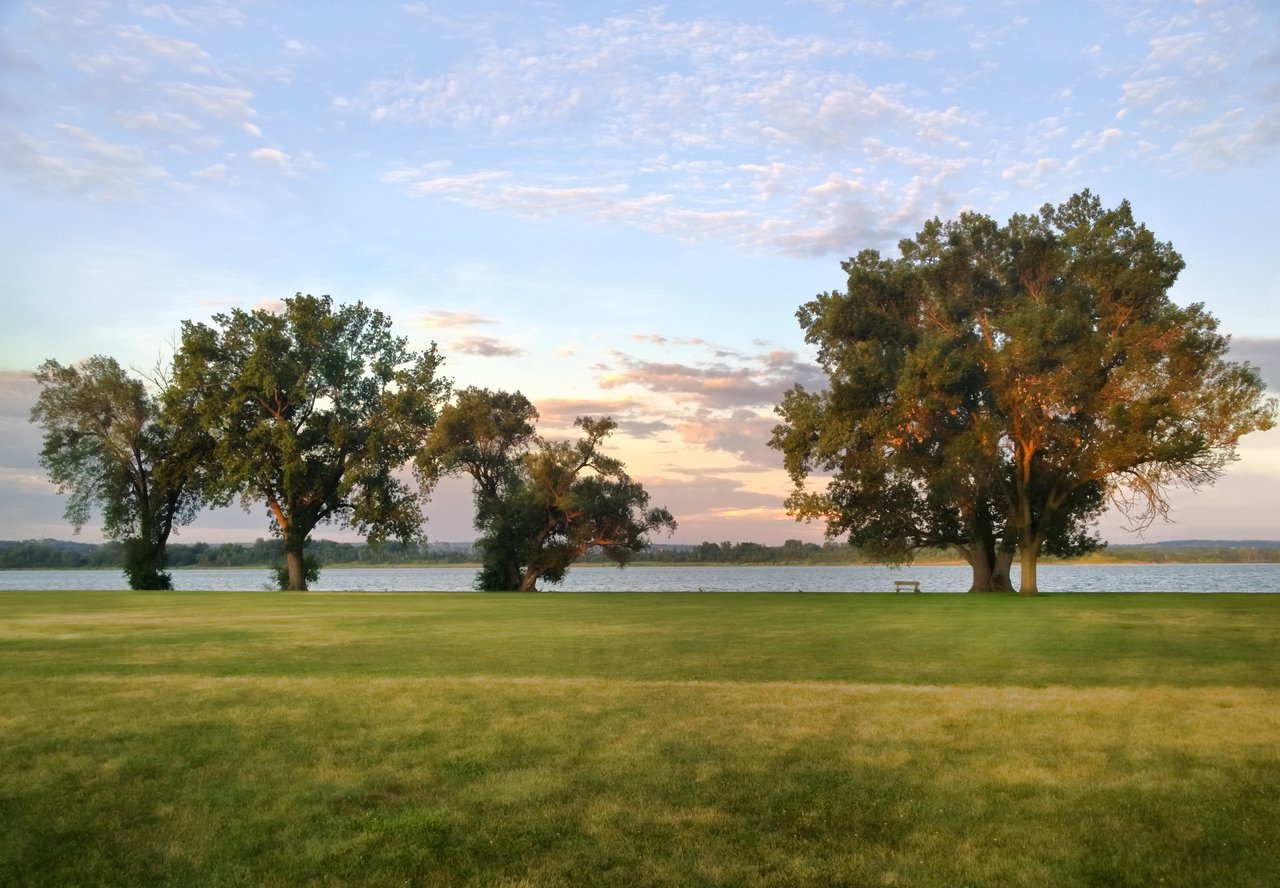
Davenport Park is more about quiet shoreline enjoyment. The city describes it as a 20-acre passive recreation area overlooking Long Island Sound, best suited for walking, sitting, reading, and taking in the view. If you value peaceful water views more than active beach use, that distinction matters.
Neptune Park adds another layer to the local waterfront. It has a fishing pier and a dock used by the Shamrock Charter Boat Company, along with views toward Glen Island Park. For people who like fishing or watching harbor activity, it is another useful part of the shoreline network.
Glen Island Park is a Westchester County park located in New Rochelle and open to the public year-round. County materials describe it as having a public beach, boathouses, picnic facilities, and the approach bridge that serves as the only vehicle, pedestrian, and cyclist connection to the island. That year-round public access adds to the area’s appeal.
If boating is part of your plan, the New Rochelle Municipal Marina is worth paying attention to. The city calls it a full-service marina and the Sound Shore area’s only Clean Green, ADA-accessible facility. It offers 350 boat slips, 150 moorings, kayak storage, showers, laundry, marine supplies, pump-out services, and transient dockage.
A common misconception is that living near the water in New Rochelle mainly means owning a shoreline house. In reality, the city describes its housing stock as a mix of downtown condominium towers, live/work lofts, older apartment buildings, and multi- and single-family homes. The shoreline does include one-of-a-kind homes, but those are more limited than many buyers expect.
For most people, water-adjacent living means comparing several types of homes and locations. You may be looking at a downtown condo with easy access to transit, a rental in a mixed-use building, or an inland neighborhood that still keeps you close to parks and the waterfront. That wider lens usually creates more opportunities.
If your goal is direct shoreline ownership, it helps to go in with realistic expectations. Based on the city’s description of the shoreline, true waterfront homes appear to be a limited niche rather than the most common housing option. That can affect availability, pricing, and how quickly you may need to act when the right property comes up.
This is where local guidance matters. If you are trying to balance water access, property type, and budget, I find that buyers often benefit from being clear on which features are must-haves and which are flexible.
The waterfront is not standing still. The city says the 20-acre Echo Bay area in the East End is being planned for residences, shops, restaurants, a boardwalk, and open space. That tells you the shoreline experience in New Rochelle is evolving.
Approved and recent projects reinforce that trend. Pratt Landing was approved in 2025 as a mixed-use waterfront project with more than 300 rental units, 99 condominiums, commercial space, a hotel, new parks, and expanded waterfront access. For buyers and renters, that points to a future with more housing choices tied to public shoreline amenities.
Downtown projects also matter for water-adjacent living. The Leaf is a 477-unit mixed-income development with 119 affordable units in the heart of the city near transit, dining, retail, and cultural attractions. Alary is a 315-unit luxury rental tower in downtown New Rochelle that is described as steps from the Metro-North station.
Living near the water in New Rochelle tends to feel practical and local rather than tourist-driven. You can expect boating, fishing, picnicking, beach days, and scenic walks to be part of the experience. That is different from a waterfront area built around private clubs or a dense entertainment strip.
For many people, that is actually the draw. You get a shoreline lifestyle that can fit into everyday routines, whether that means an early walk by the Sound, weekend time at the beach, or quick access to a marina and park space.
One of the more appealing parts of New Rochelle is that water-adjacent living can overlap with strong transit access. The Leaf is within walking distance of the New Rochelle Transportation Center and bus lines. Alary is also described as being steps from the Metro-North station.
That combination can be attractive if you want access to the waterfront without giving up commuting convenience. In practice, some buyers find they do not need to choose between shoreline amenities and rail access if they focus on the right locations and property types.
Seasonality is part of life near the water here. Beach access, parking rules, and marina activity all shift with the calendar. The city’s Harbor Unit patrols the Long Island Sound frontage seasonally from April through October, focusing on safe boating and navigation-law enforcement.
That does not mean the waterfront disappears in colder months. It means your use of it may change. In summer, you may be thinking about beach hours and parking. In cooler seasons, the appeal may shift toward views, walking, and quieter public spaces.
The lifestyle is appealing, but near-water living also comes with practical questions that should be part of your search from the start. In New Rochelle, stormwater, flooding, and climate resilience are important factors to evaluate carefully. These issues can affect both your monthly costs and your long-term comfort with a property.
I always encourage buyers to look beyond the view and ask how a home functions during heavy rain, how close it is to low-lying areas, and what ownership costs may look like over time. That kind of planning can help you avoid surprises later.
New Rochelle’s stormwater management pages say the city monitors outflows to Long Island Sound and is working on stormwater mitigation because more frequent rain events and aging infrastructure can worsen flooding. The city also says its mitigation program is based on a citywide drainage study and that it is pursuing a long-term implementation plan for flood-prone locations.
That does not mean every home near the water has the same risk profile. It does mean flood and drainage conditions should be part of your due diligence, especially if you are looking close to the shoreline or in lower-lying areas.
The city’s climate vulnerability report says sea level rise can raise water levels along New Rochelle’s 9-mile coast. The city’s waterfront planning materials also note that coastal hazards, boating conflicts, and climate change are part of the challenge of harbor management. For buyers, that makes resilience part of the conversation.
In simple terms, waterfront appeal and environmental exposure go together. A smart purchase is not just about finding the right view or building. It is also about understanding how the property fits into the city’s broader coastal conditions.
Flood maps should be reviewed early, not late. FEMA says National Flood Insurance Program requirements apply in Special Flood Hazard Areas shown on Flood Insurance Rate Maps, and a federally backed mortgage on a home in one of those areas generally triggers a flood insurance requirement. That can materially affect your monthly carrying costs and financing path.
If you are comparing multiple homes, this is one area where the numbers can change quickly. Two properties may feel similar from a lifestyle perspective, but insurance requirements and flood-zone considerations can create a very different ownership picture.
For many buyers, the biggest benefit of living near the water in New Rochelle is flexibility. You can enjoy public shoreline access, boating facilities, beaches, scenic parks, and transit convenience without needing to purchase a direct waterfront property. That often makes the lifestyle more attainable than buyers expect.
The second major advantage is variety. New Rochelle offers a mix of housing types, from downtown buildings to single-family homes near the coast, while ongoing development suggests the waterfront will continue to evolve. If you are open-minded about exactly what “living near the water” means, you may find more options that fit your goals.
The tradeoffs are real, and it is better to understand them upfront. You may need to navigate seasonal parking rules, public-access patterns, flood-zone questions, and changing waterfront plans. If you want complete privacy or a large supply of direct shoreline homes, New Rochelle may not match that expectation.
Still, for many buyers, the balance works well. Access to the Sound, public parks, marina facilities, and transit can create a lifestyle that feels both active and grounded in everyday convenience.
If you are thinking about buying near the water in New Rochelle, I can help you sort through the tradeoffs, compare neighborhoods and property types, and focus on the options that fit your priorities. For personalized guidance on your search, connect with April H Monaco Real Estate.
Stay up to date on the latest real estate trends.

April brings deep market knowledge, sharp negotiation skills, and a refined eye for detail to every coastal property journey.
April Helene Monaco
1 Pelhamwood Ave Village of Pelham NY 10803