Larchmont Home Styles Explained: Colonial, Tudor & More
June 18, 2026
June 18, 2026
Wondering why one Larchmont home feels formal and classic while another feels storybook-like and full of character? In this village, architecture is a big part of the buying experience, and understanding the difference between styles can help you narrow your search with more confidence. If you are comparing Colonials, Tudors, Mediterranean homes, or newer options, this guide will help you spot key features, think through maintenance, and understand how Larchmont’s housing history shapes today’s market. Let’s dive in.
Larchmont’s housing stock reflects more than one chapter of development. The village survey shows an early shoreline resort era in Larchmont Manor with late 19th-century houses, including a strong Shingle Style presence and smaller numbers of Gothic Revival, Queen Anne, Stick, Italianate, and Second Empire homes.
A major wave of building followed from 1920 to 1935, when about 578 houses were built, or roughly half of the village’s existing housing stock. Within that group, the survey recorded 258 Colonial Revival houses, about 204 English Revival houses, and only 18 Mediterranean or Spanish Revival houses. That helps explain why Colonial and Tudor-style homes are such a big part of the Larchmont conversation today.
The village is still largely a single-unit housing market, with Census Reporter showing about 69% single-unit housing, 73% owner occupancy, and a median owner-occupied value of about $1.64 million. In practical terms, that means style, condition, and upkeep often matter just as much as square footage. When you shop in Larchmont, you are usually choosing not only a home, but also a level of architectural detail and maintenance commitment.
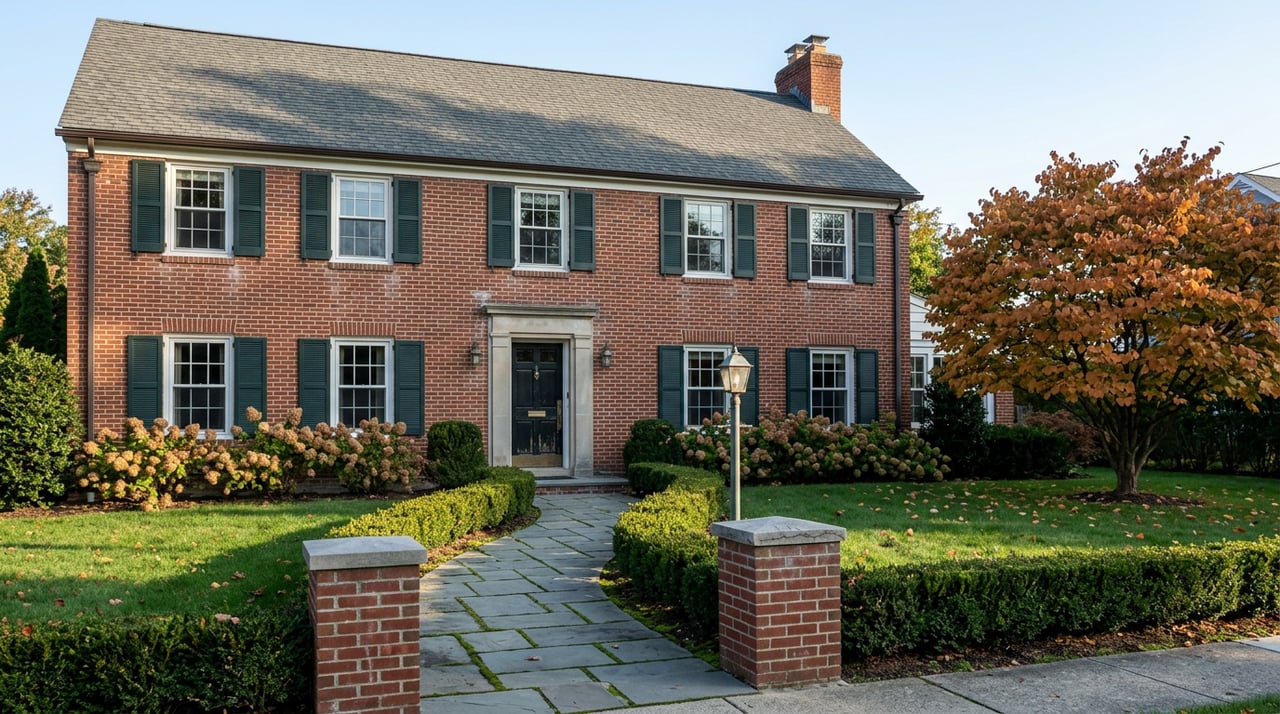
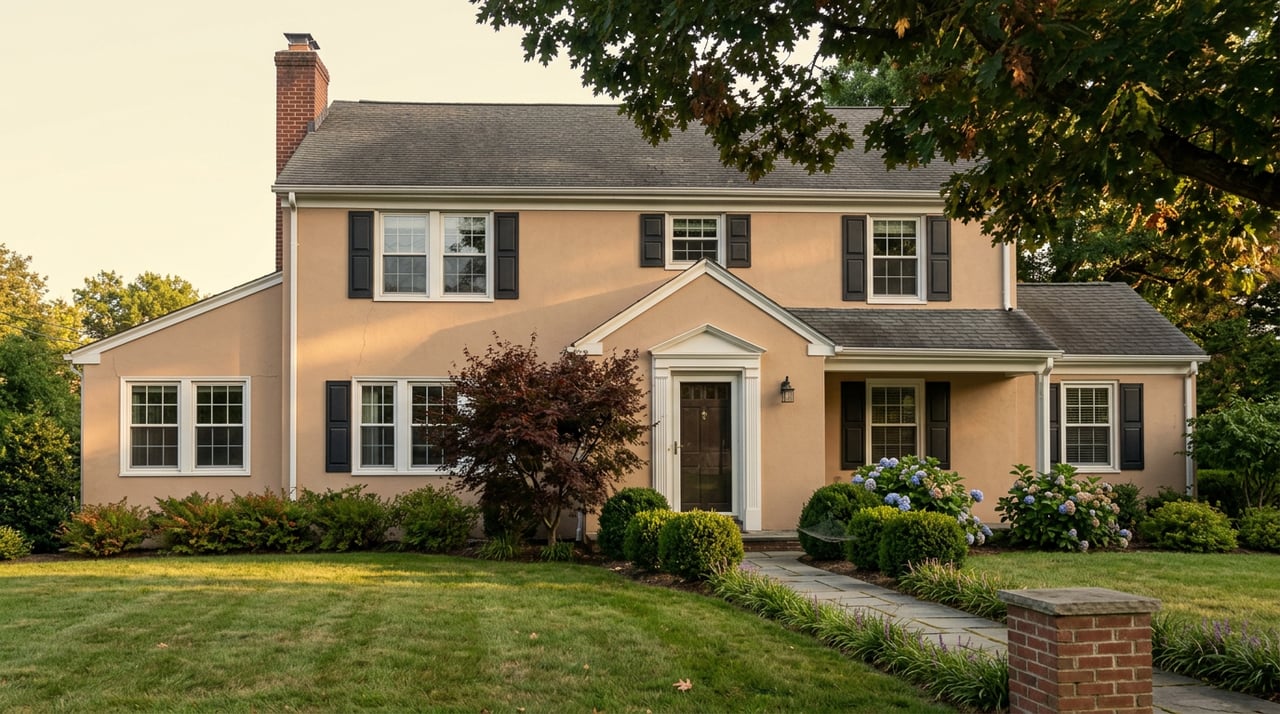
Colonial Revival is one of the most recognizable home styles in Larchmont. It became especially common during the 1920s through 1935 buildout, and the village survey notes that many examples were based on magazine or catalog plans.
In Larchmont, this broad category includes Center Hall, Side-Hall, Dutch Colonial, Cape Cod, and Four Square variants. While each subtype looks a little different, they tend to share a traditional, orderly feel that appeals to buyers who want a classic suburban layout.
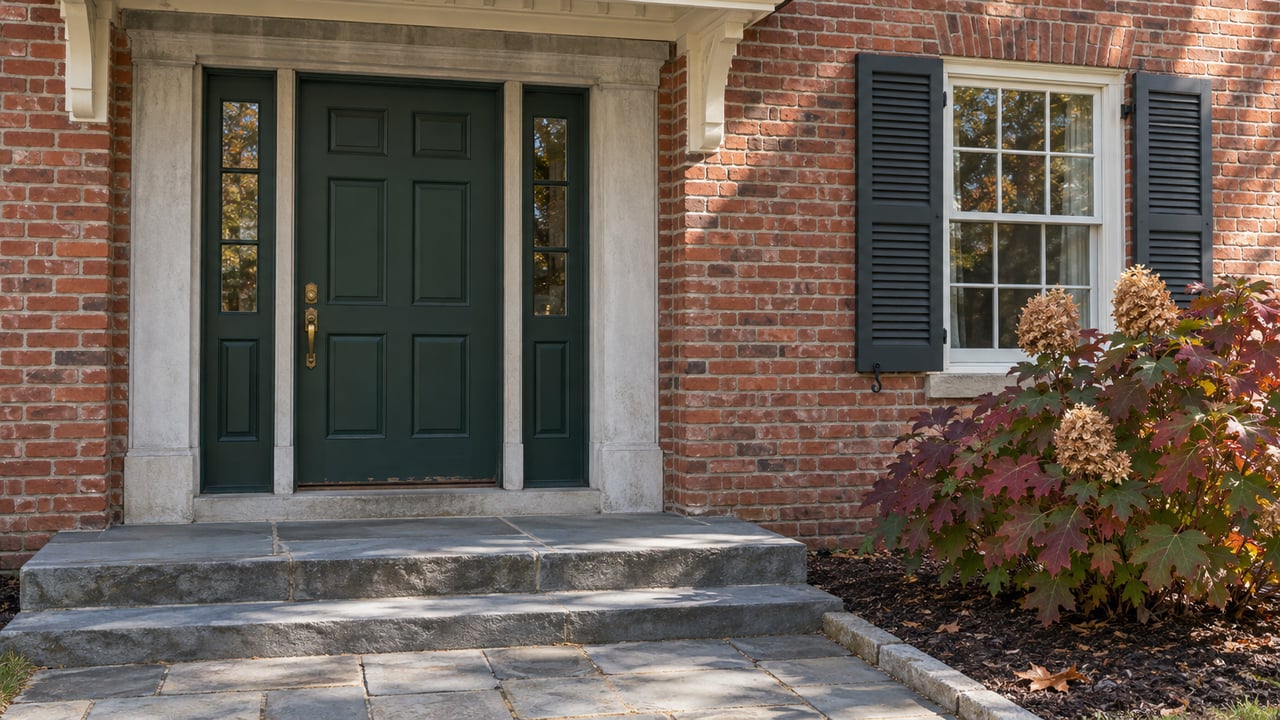
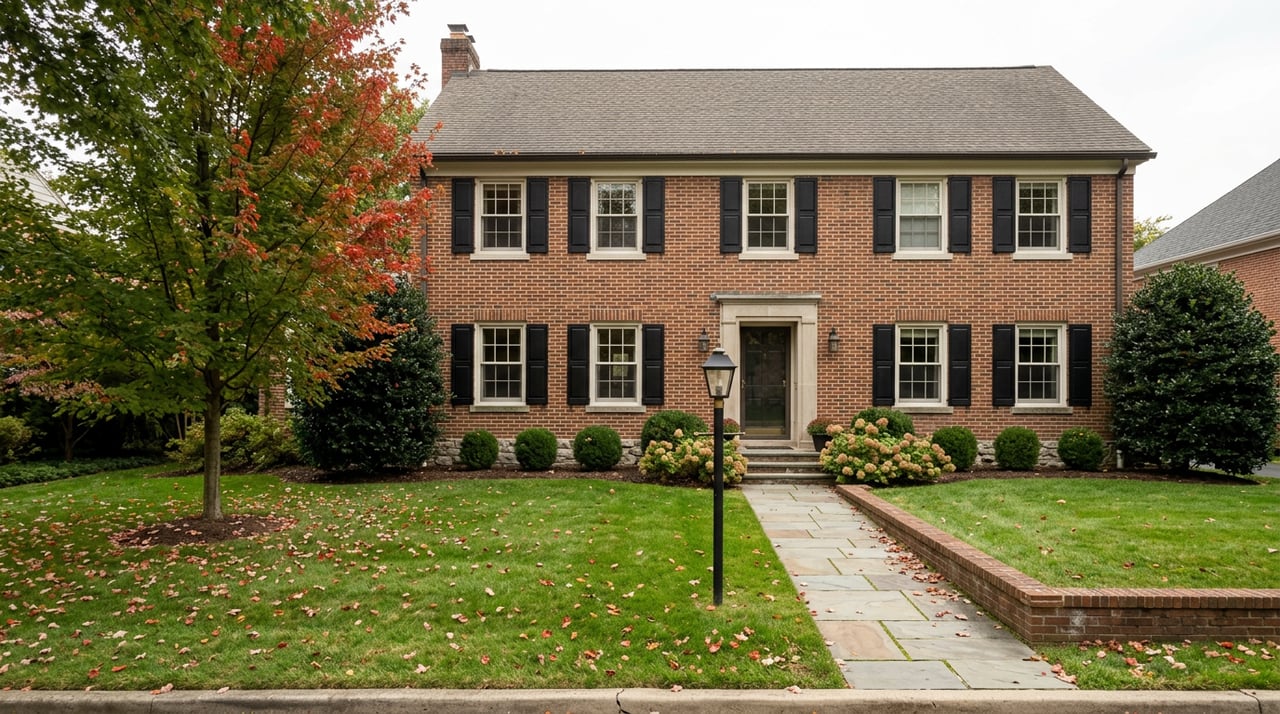
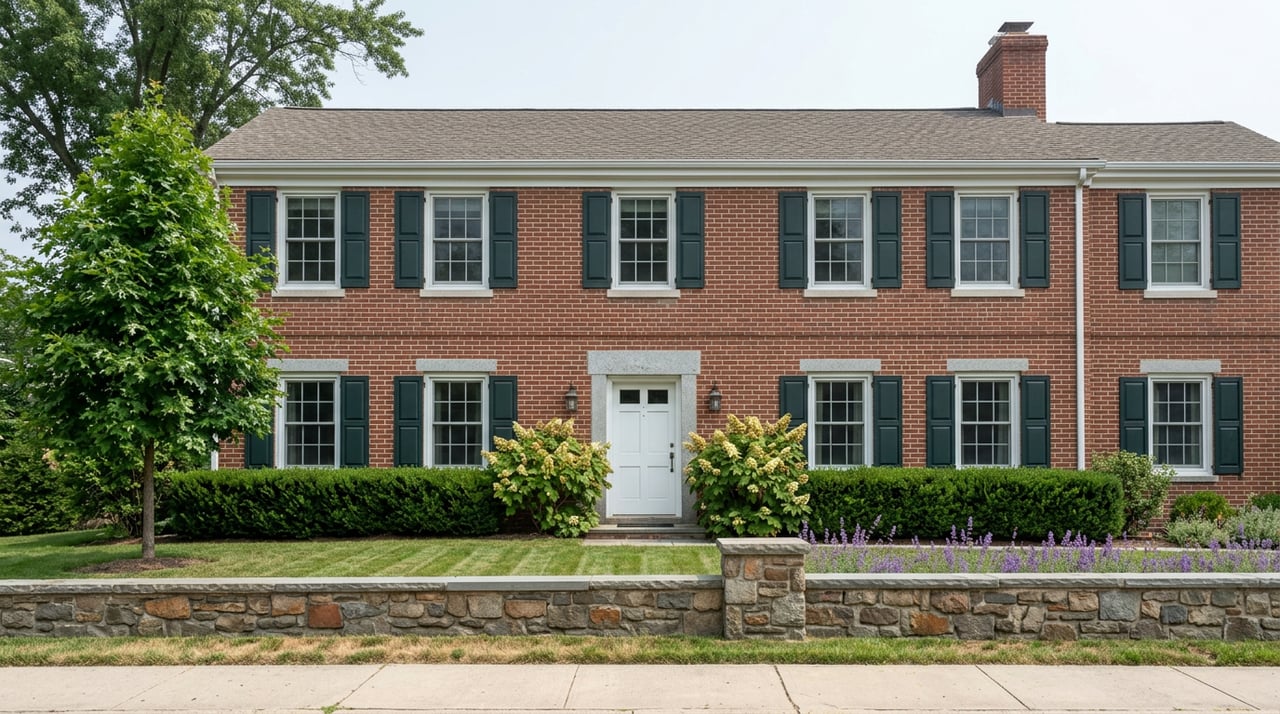
The National Park Service describes Colonial Revival as an interpretation of colonial-era design rather than a strict copy. Common features include symmetry, hipped or intersecting gable roofs, double-hung windows, fanlights or Palladian windows, columns or pilasters, and prominent porches or entries.
For you as a buyer, that often translates into a house with a clear front door focus and a balanced façade. From the street, these homes usually read as neat, formal, and timeless.
Many Colonial Revival homes offer a more legible floor plan than some other historic styles. Center Hall and Side-Hall plans often have a clear entry sequence and more separated public rooms.
If you prefer defined living and dining spaces instead of a fully open layout, this style may feel like a natural fit. Buyers who like traditional flow often appreciate that these homes tend to make room purposes easy to understand.
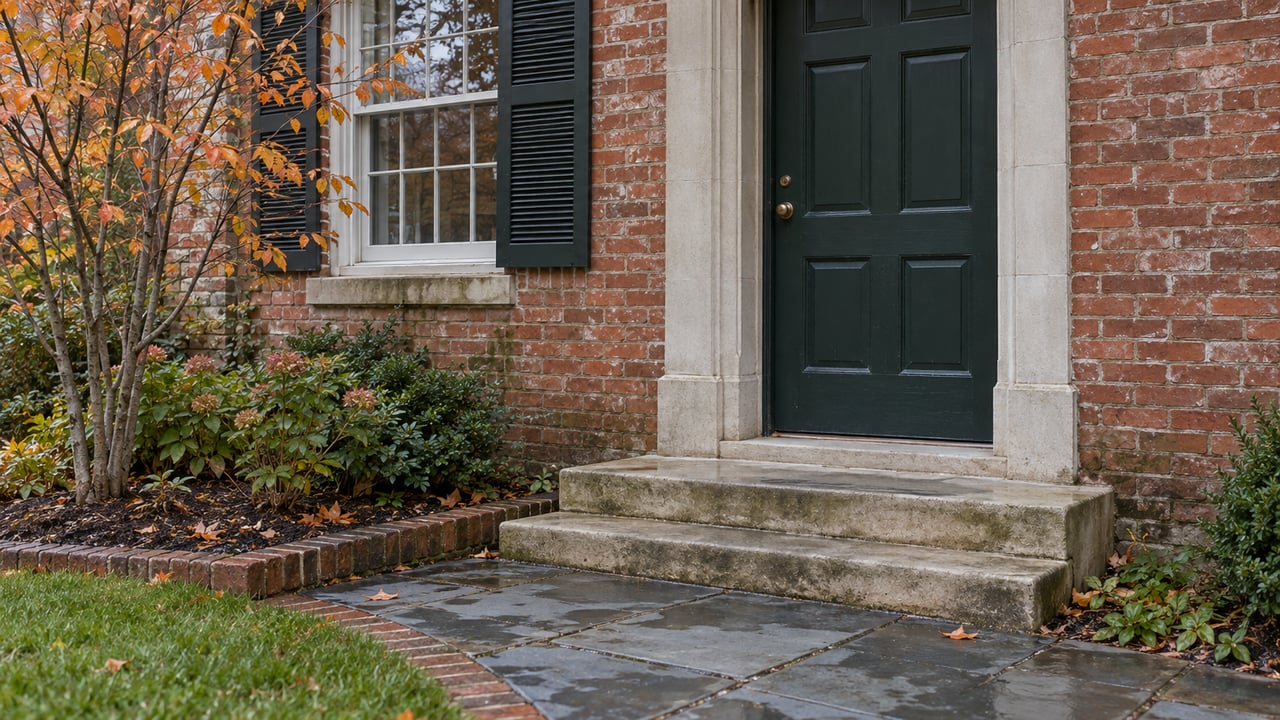
With older Colonial homes, windows, siding, and trim are often major condition points. Preservation guidance from the National Park Service favors evaluating original wood windows for repair before assuming they should be replaced.
That matters in Larchmont because many homes still have original or early window and trim profiles that help define the façade. If you are considering a Colonial, it is worth looking closely at the condition of those historic exterior elements and understanding how they may affect future upkeep.
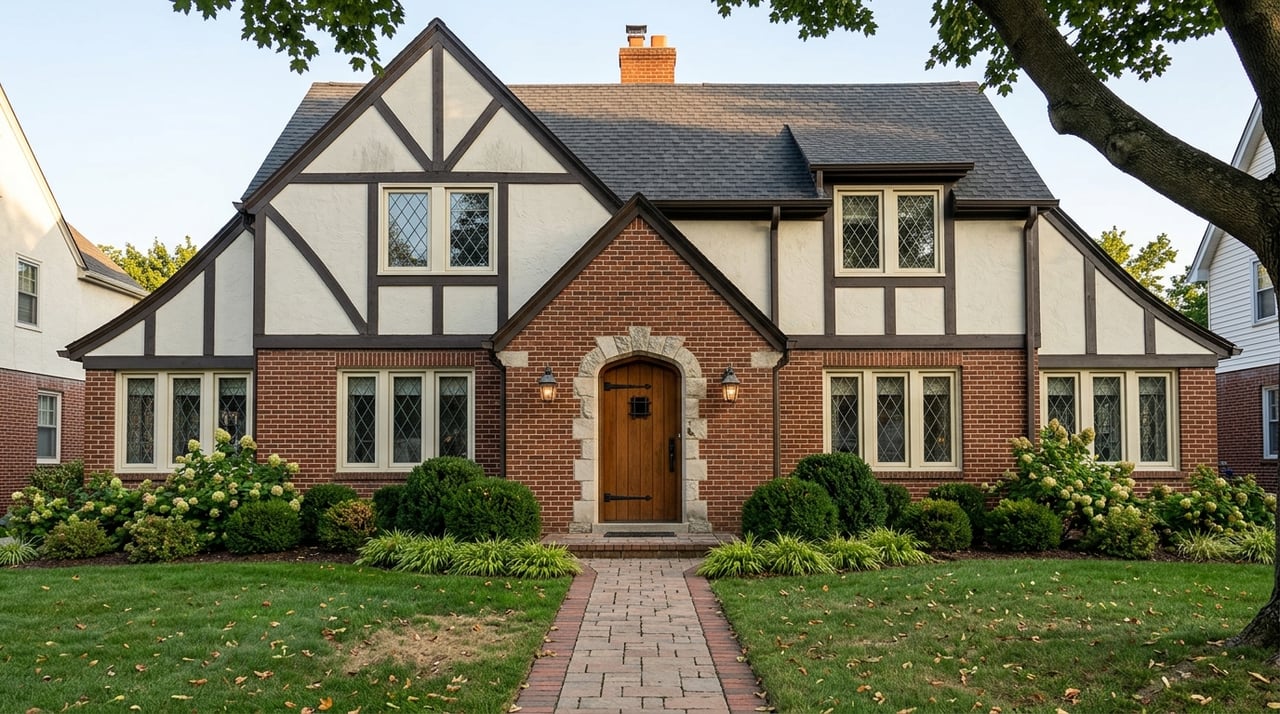
If Colonial Revival homes feel crisp and symmetrical, Tudor and English Revival homes often feel more textured and picturesque. In Larchmont, the village survey uses the term English Revival for the Tudor-like houses that became a primary decorative residential type in the 1910s and 1920s, especially north of the Post Road.
These homes are popular with buyers who want architectural character that is visible the moment they pull up to the curb. They often bring a strong sense of craftsmanship and individuality.
Larchmont’s English Revival examples often combine stone, brick, stucco, timber, slate roofs, and steel casement windows. National Register and National Park Service references also point to steeply pitched roofs, prominent cross gables, half-timbered gables, tall narrow windows, and large chimneys as defining features.
The result is a house with more visual movement and more decorative detail than a typical Colonial. These homes can feel cozy, dramatic, and highly distinctive from both the exterior and interior.
The village survey describes interiors as asymmetrical, with wood beams, paneling, staircases, and hearths tucked into nooks. That usually creates a less formal and less predictable interior flow than a center-hall Colonial.
If you are drawn to charm, built-in character, and rooms that feel unique from one another, Tudor-style homes may stand out to you. If you want the most straightforward layout, though, you may prefer a Colonial instead.
With Tudor and English Revival homes, roof, chimney, stucco, and casement-window condition tend to matter most. National Park Service guidance notes that slate roofs should be repaired and preserved when possible, stucco should be maintained rather than heavily altered, and steel casement windows require their own repair methods.
For buyers, that means inspection details are especially important. A Tudor may offer extraordinary charm, but it also often includes more specialized materials and more components that deserve careful review before closing.
Mediterranean and Spanish Revival homes are less common in Larchmont, which is part of what makes them feel distinctive. The village survey counts only a small number of early examples and 18 houses from the 1920s and 1930s.
These homes are less tied to the village’s main suburban pattern and more connected to its earlier resort-era image. If you come across one, it may feel like a standout property rather than a typical Larchmont choice.
According to National Park Service descriptions, Mediterranean Revival homes often feature stucco exteriors, clay tile roofs, arches, shaped parapets, ironwork, and U- or L-shaped plans that may enclose a courtyard. Interiors often include vaulted ceilings, arched openings, beamed rooms, tile floors, and wrought iron fixtures.
For you, that can mean a more custom and visually dramatic living experience. These homes often emphasize terraces, patios, and a stronger indoor-outdoor connection than a traditional Colonial.
Mediterranean homes can appeal to buyers who want something less common and more expressive. They often feel more sculptural and design-forward, even when they are historic.
Because there are relatively few of them in Larchmont, buyers interested in this style may need patience and flexibility. Inventory in any one style is shaped by the village’s historic mix, and Mediterranean homes are simply a smaller part of that mix.
Not every buyer in Larchmont wants a revival-style house. After 1935, the village survey records Capes, Colonials, Ranches, Split Levels, and later contemporary infill, and after 1970 it largely treats new construction as contemporary rather than another revival type.
These homes can be a practical fit if you want a different layout or fewer historic-material concerns. While each property still needs its own evaluation, postwar and contemporary homes are often where buyers look for simpler upkeep or easier remodeling flexibility.
Compared with earlier revival homes, postwar and contemporary properties may offer more straightforward systems, simpler exterior detailing, or layouts that are easier to rework over time. That does not guarantee lower costs, but it can mean fewer preservation-related decisions.
If your priority is function first, these homes may be worth a close look. For some buyers, they offer the right balance between location, convenience, and manageable maintenance.
In Larchmont, choosing a home style often comes down to how you want to live and what level of upkeep feels comfortable. The village’s housing stock is revival-style first and newer-build second, so having a style strategy can save time.
Here is a simple way to think about it:
No style is automatically better than another. The right fit depends on how you balance character, function, maintenance, and long-term plans.
In a village where so much of the housing stock comes from distinct architectural periods, broad online search filters only tell part of the story. Two homes with similar size and price can feel completely different once you factor in style, floor plan, exterior materials, and likely upkeep.
That is where local, hands-on guidance can make a real difference. With more than 25 years of experience in Pelham and neighboring Westchester villages, I help buyers and sellers look beyond the listing photos and focus on how a home’s style affects daily living, resale, and preparation for the market.
Whether you are buying a classic Colonial, considering a Tudor, or preparing to list a home with distinctive architectural features, I can help you evaluate what matters most and plan your next step with confidence. If you are thinking about buying or selling in Larchmont, connect with April H Monaco Real Estate for a personalized market plan and expert local guidance.
Stay up to date on the latest real estate trends.

April brings deep market knowledge, sharp negotiation skills, and a refined eye for detail to every coastal property journey.
April Helene Monaco
1 Pelhamwood Ave Village of Pelham NY 10803