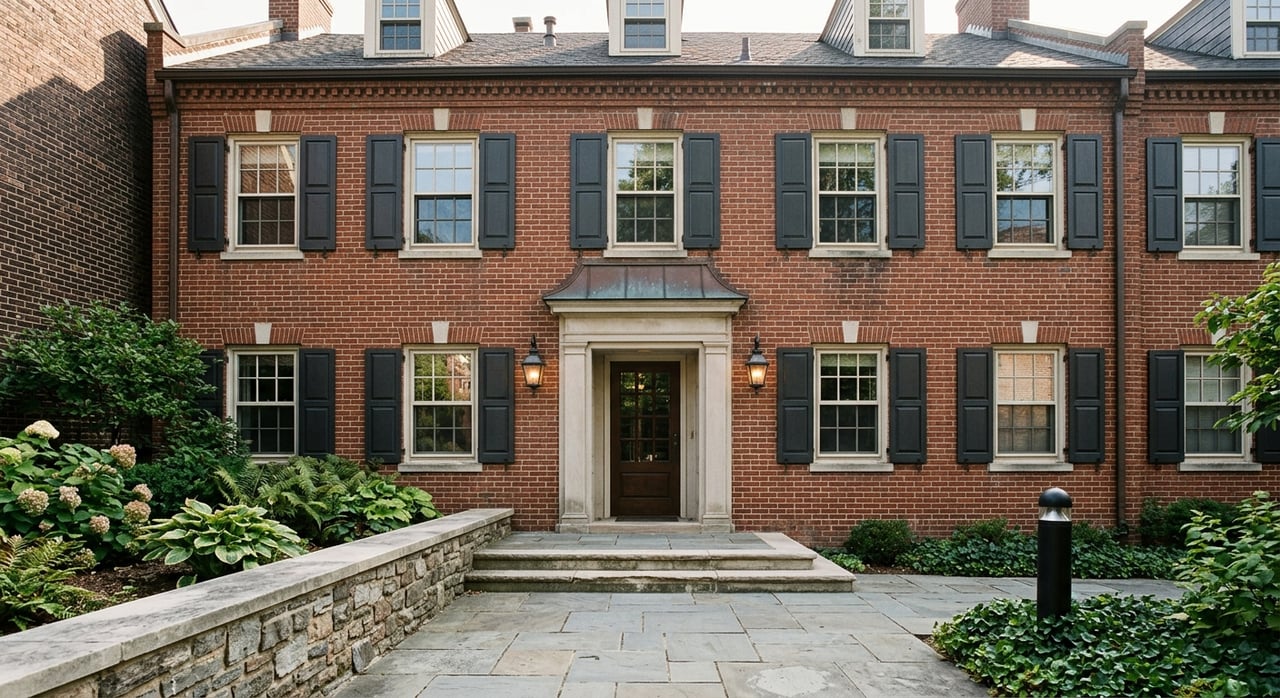
Bronxville Co-Ops And Townhomes: A Buyer’s Overview
July 9, 2026
July 9, 2026
If you want a home in Bronxville but do not need a large yard or a fully detached property, co-ops and townhomes can be worth a close look. These homes often appeal to buyers who want walkability, a shorter train commute, and less day-to-day exterior upkeep. If you are comparing your options, understanding how ownership, monthly costs, and community rules work can help you buy with more confidence. Let’s dive in.
Bronxville is a compact village of about one square mile, and the village describes it as about 15 miles north of Midtown Manhattan with a train ride of about 28 minutes to Grand Central. That location helps explain why attached housing remains an important part of the local mix. For many buyers, convenience is a major part of the value.
Village materials say about 60% of Bronxville households are in single-family homes, while about 40% are in co-ops, condos, and apartments. The village also includes townhouses in its housing mix. In other words, attached homes are a meaningful part of the Bronxville market, not just a niche option.
The village’s comprehensive plan also gives useful context. It notes a mix of attached and detached single-family homes, smaller two- and three-story units on narrow lots, multiple-unit clusters, and apartment buildings that range from three to six stories. It also explains that by 1930, most available land had already been developed, especially around the train station and village core.
That matters if you are home shopping here. In Bronxville, attached housing is more likely to be found in the walkable center and near the station, rather than evenly spread across the village.
A co-op is different from buying a typical house or townhome. In New York, when you buy a co-op, you purchase shares in a corporation, and those shares are tied to a specific apartment. Your right to occupy the home comes through a long-term proprietary lease.
This structure affects both your finances and your day-to-day ownership experience. Instead of owning real property in the same way you would with a detached house, you are a shareholder in the corporation that owns the building. That is why co-op purchases usually involve close review of the building’s rules and financials.
The monthly charge in a co-op is generally called maintenance. According to the New York Attorney General, each owner pays maintenance charges based on the number of shares allocated to the apartment. That means two units with similar asking prices may still have very different monthly carrying costs.
Townhomes can feel more straightforward, but they still require careful review. In association-governed communities, monthly dues and written rules may cover exterior maintenance, common areas, insurance, and use restrictions. The real ownership structure matters more than the marketing label.
For buyers, that means you should not assume all townhomes operate the same way. Some may offer more independence, while others may function with rules and shared obligations that feel closer to condo-style living. Before you commit, it is important to review the governing documents and understand exactly what you own and what the association manages.
In a village like Bronxville, that tradeoff can make sense for many buyers. If you want less yard work and a more compact home base, a townhome may offer a practical middle ground between a co-op apartment and a detached house.
If you are deciding between the two, the biggest differences usually come down to ownership style, monthly costs, and control.
| Feature | Co-Op | Townhome |
|---|---|---|
| Ownership | Shares in a corporation tied to a unit | Ownership structure varies, so documents must be verified |
| Monthly charges | Maintenance based on allocated shares | Association dues may apply |
| Governance | Board-driven with bylaws, lease, and house rules | Association rules may govern exterior, common areas, and use |
| Buyer focus | Review financials, board rules, sublet terms | Review dues, reserves, insurance, and restrictions |
For many Bronxville buyers, the decision is less about which option is “better” and more about which one fits your lifestyle. If you want a highly managed building with shared oversight, a co-op may feel comfortable. If you want an attached home with a different ownership setup, a townhome may be a better fit.
The purchase price is only part of the story. With co-ops and townhomes, the full monthly cost often matters just as much, if not more. A lower asking price does not always mean the more affordable choice.
For co-ops, maintenance is a major line item. For townhomes in association-governed communities, dues can be significant too. The CFPB notes that HOA dues are usually paid directly to the association and can range from a few hundred dollars per month to more than $1,000 per month.
Your total monthly housing budget should include:
Insurance deserves extra attention early in the process. In multi-unit buildings, association or co-op fees often include master insurance for common areas, but you still need your own unit coverage.
This cost comparison matters in Bronxville, especially since the village says the average single-family home price is about $1.94 million. For many buyers, attached housing is not just about a lower entry point. It is also about balancing price, maintenance needs, and monthly carrying costs in a location with strong commuter appeal.
Parking may not be the first thing you think about when comparing co-ops and townhomes, but it can shape daily life. Bronxville operates one indoor garage, nine surface lots, about 600 on-street meters, and permit-based parking, including commuter parking near the train station.
If you own a car, ask about parking at the very beginning of your search. Find out whether a space is included, assigned, waitlisted, rented separately, or governed by village permits. Also ask how guest parking works.
For buyers choosing attached housing to simplify life, parking can either support that goal or complicate it. It is much better to know the answer before you make an offer than after you move in.
This is where careful buyers protect themselves. The New York Attorney General recommends reading the entire offering plan and consulting an attorney before signing a purchase agreement for a co-op or condo. That advice is especially important when you are buying into a shared building or community structure.
For existing co-op buildings, review board minutes, financial reports, and posted violations. These documents may reveal major building-wide issues such as facade work, roof repairs, elevator projects, plumbing work, electrical upgrades, or boiler replacement. Those items can affect both your budget and your ownership experience.
For a townhome community, the same logic applies. Ask for the declaration, bylaws, rules, recent budgets, reserve information, insurance details, and any planned capital projects or special assessments. You want a clear picture of both current costs and possible future obligations.
The goal is simple: understand the real monthly carry and the real level of shared responsibility. In Bronxville, buyers often choose attached housing for walkability, train access, and lower-maintenance living. Good due diligence helps make sure the property actually delivers that experience.
If you are trying to narrow your search, start with your lifestyle rather than the listing photos. Think about how much flexibility you want, how comfortable you are with building or association rules, and what monthly payment feels sustainable.
A co-op may suit you if you want a managed building environment and you are comfortable with board-driven governance. A townhome may make sense if you want an attached home format but still want to verify exactly how much control and responsibility come with it.
It also helps to think long term. Ask yourself how often you commute, whether you need parking, how much storage you want, and whether shared maintenance feels like a benefit or a tradeoff. In Bronxville, those practical details often matter as much as square footage.
When I work with buyers in lower Westchester villages, I always encourage a full-picture approach. The right fit is not just the unit itself. It is the ownership structure, the monthly carry, the rules, and how the home supports your daily routine.
If you are exploring co-ops or townhomes in Bronxville and want a clear, practical strategy, April H Monaco Real Estate can help you compare options, understand the details, and move forward with confidence.
Stay up to date on the latest real estate trends.

April brings deep market knowledge, sharp negotiation skills, and a refined eye for detail to every coastal property journey.

April Helene Monaco
1 Pelhamwood Ave Village of Pelham NY 10803