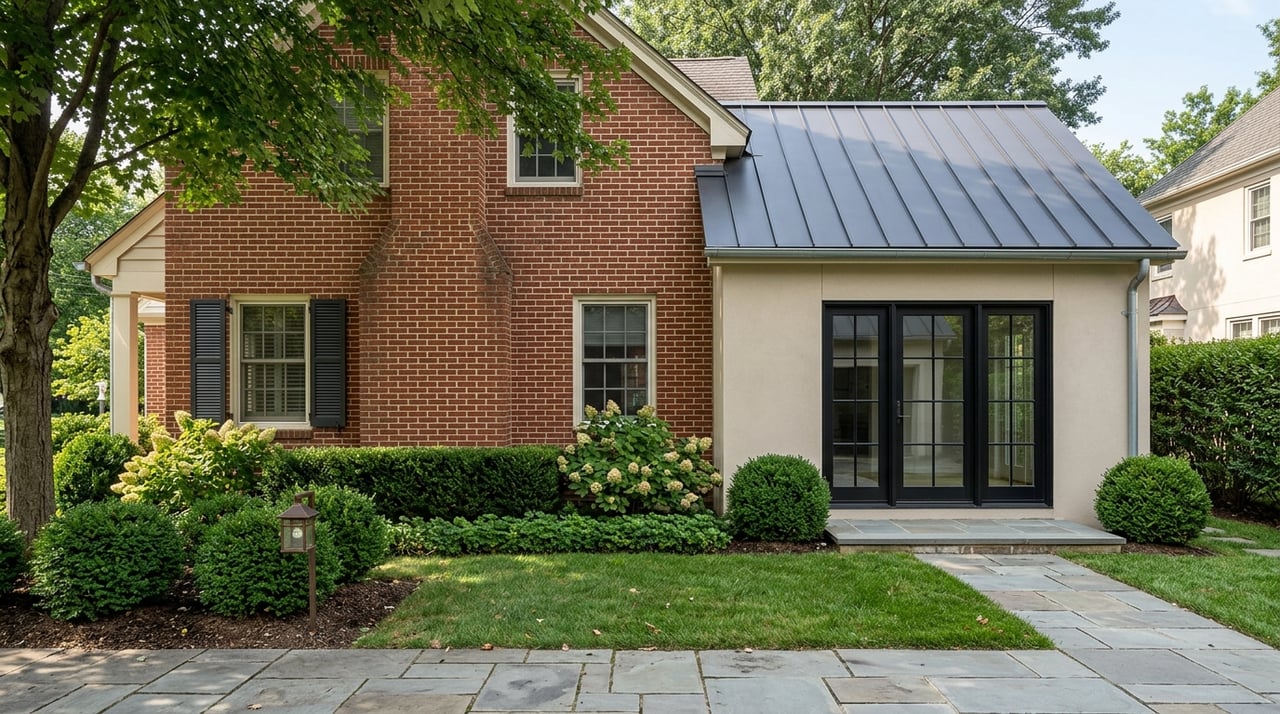
Scarsdale New vs Older Homes: Which One Fits Best?
July 2, 2026
July 2, 2026
Wondering whether a newer home or an older one makes more sense in Scarsdale? You are not alone. In this market, that choice often comes down to balancing convenience, efficiency, and modern layout against character, history, and long-term potential. If you are weighing your options, this guide will help you sort through the tradeoffs that matter most in Scarsdale. Let’s dive in.
In many towns, buyers can compare a wide range of brand-new homes with a wide range of older resale inventory. Scarsdale is different. It is a built-out, high-value suburban market where older housing is the norm, not the exception.
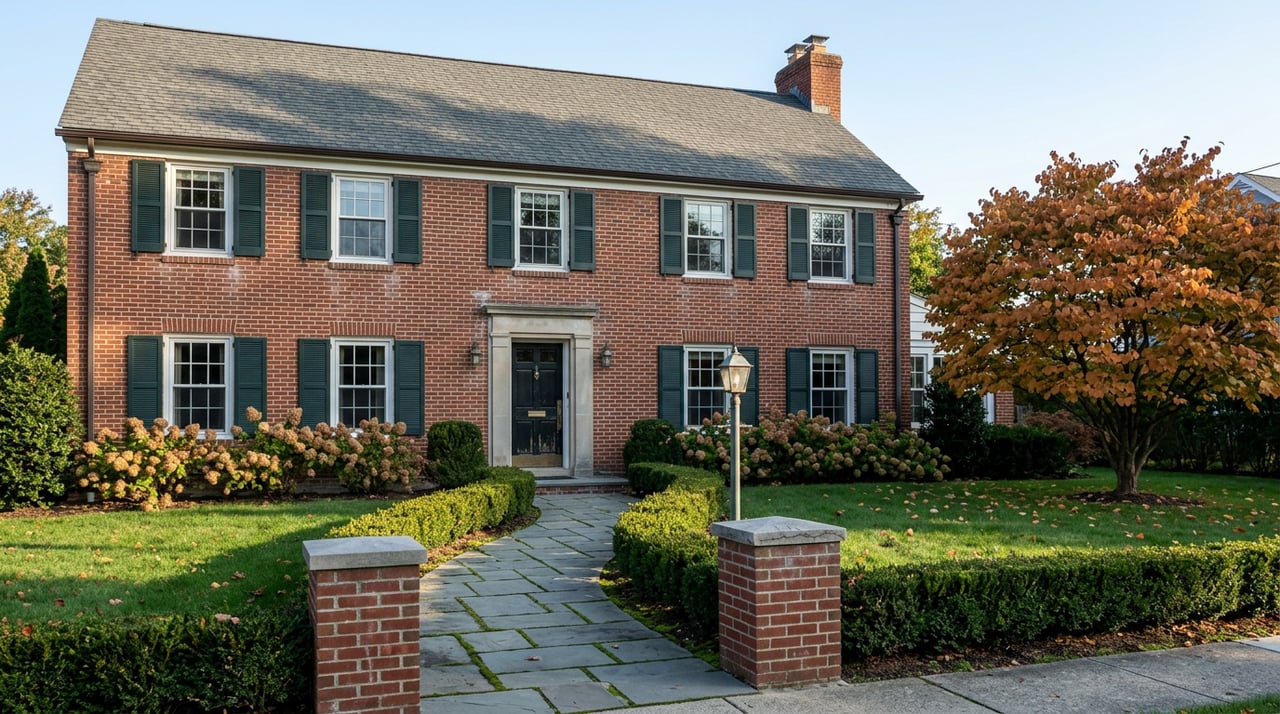
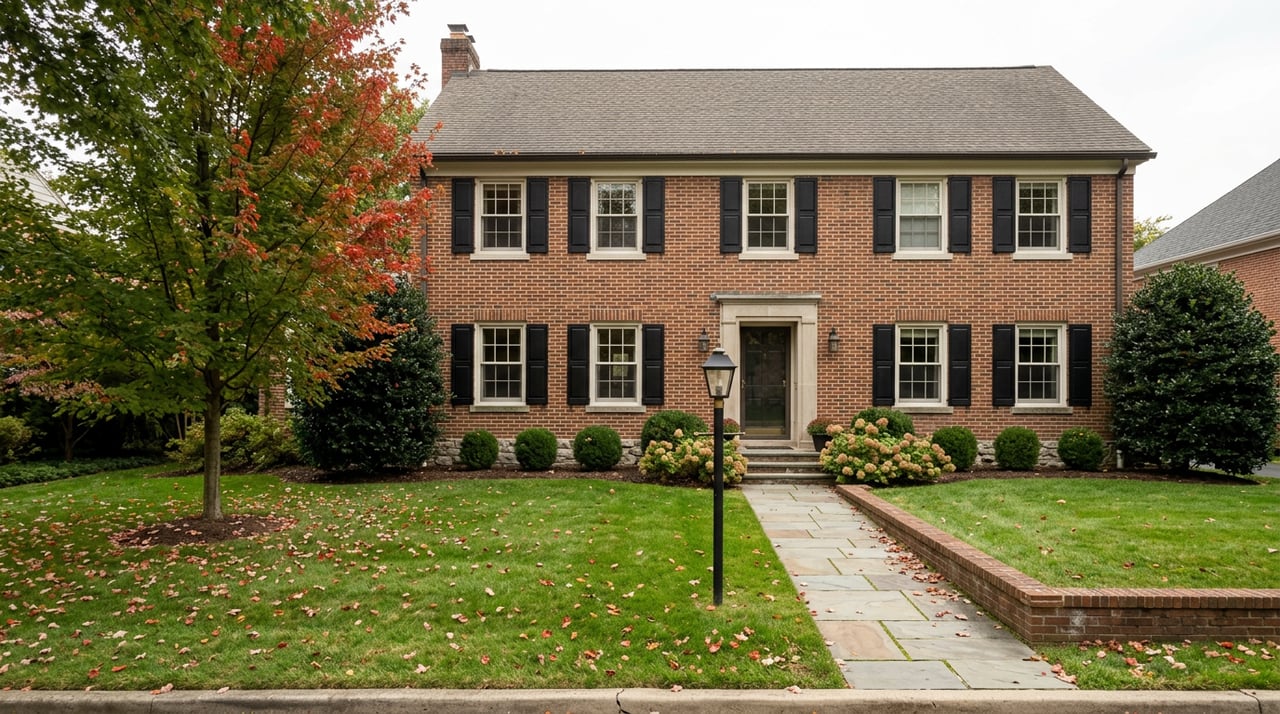
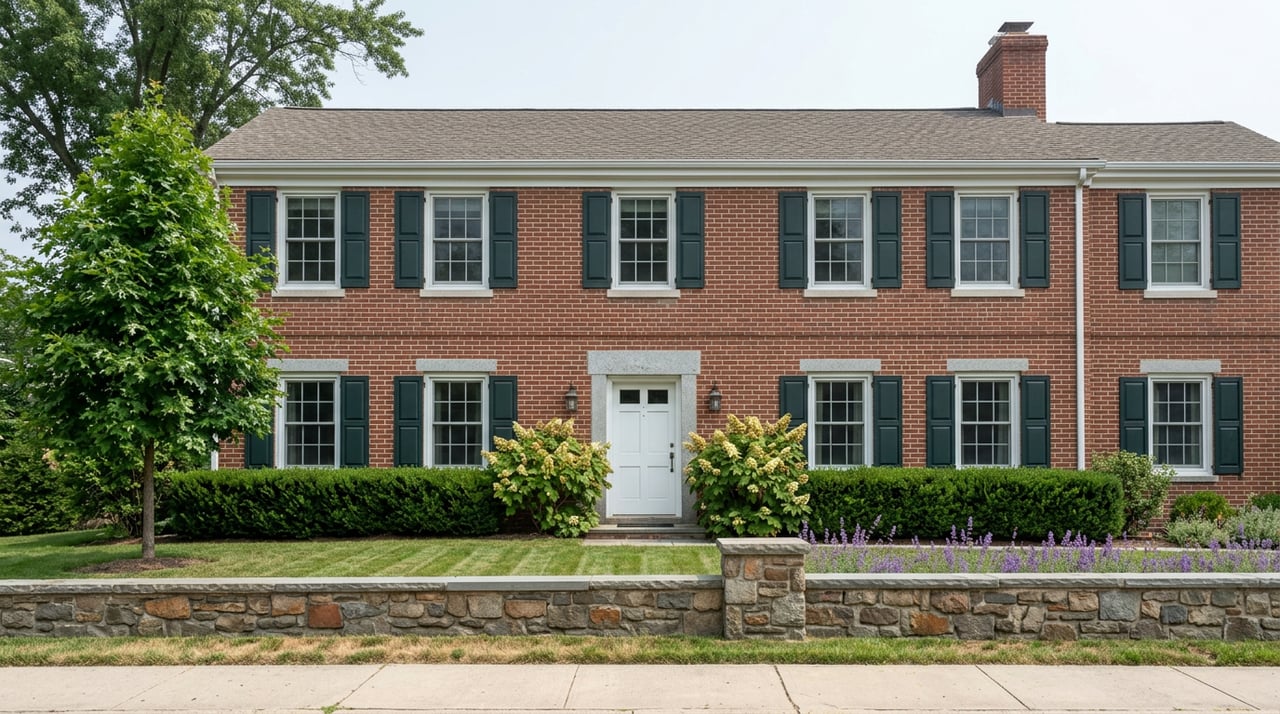
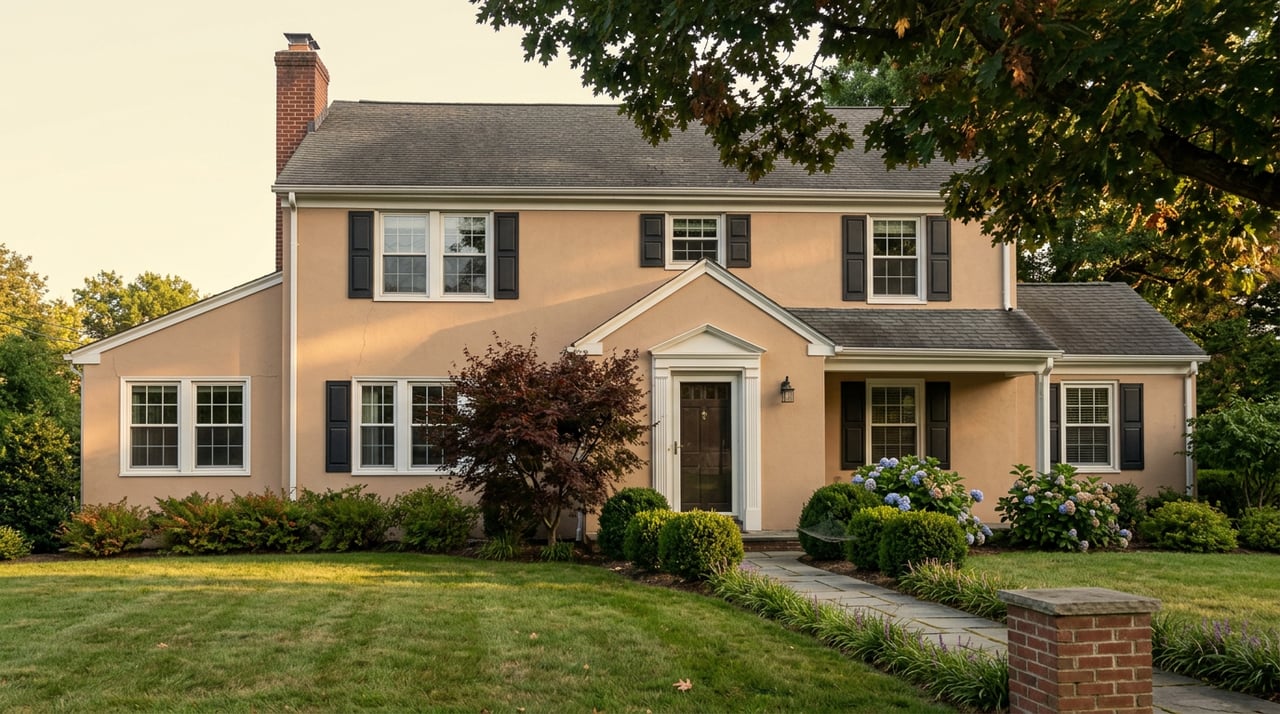
Recent Census data show 5,921 housing units, a 92.3% owner-occupied rate, and a median owner-occupied home value of $1,800,700. Much of the village’s housing dates from the 1910 to 1941 period, with many homes in Neo-Tudor, English Cottage, and Colonial Revival styles. In practical terms, you are often comparing a newer rebuild or gut renovation with a well-established prewar home.
That local context matters because new construction in Scarsdale is usually not a blank-slate subdivision story. It is often redevelopment on an existing lot, with local review shaping what gets built and how it fits the surrounding streetscape.
When you hear “new construction” in Scarsdale, it may not mean a newly created neighborhood with uniform homes and wide-open lots. Because the village is largely built out, newer homes are often the result of teardown projects, major redevelopments, or extensive gut rehabs.
The village review process plays a big role. The Building Department reviews land-use applications before they may move to the Board of Architectural Review or the Committee for Historic Preservation, depending on the project. The BAR reviews exterior alterations and the exterior appearance of new buildings, while the CHP reviews demolition and substantial demolition.
For you as a buyer, that means newer homes in Scarsdale are often shaped by both lot constraints and design review. They can offer modern living, but they are still part of a village where exterior fit and neighborhood character matter.
If your top priority is move-in readiness, a newer home can be very appealing. You may get a layout that reflects how many people live today, along with systems and finishes that need less immediate attention.
Newer homes and gut rehabs are easier to design around current needs. That can mean open kitchen and family room connections, dedicated home office space, mudrooms, and more flexible circulation from room to room.
By contrast, many older Scarsdale homes were built in an earlier era and often reflect more formal room separations and original proportions. That does not make them less livable, but it does mean the layout may feel more traditional.
New construction also has an advantage when it comes to efficiency. New York’s State Energy Conservation Construction Code applies statewide and requires energy conservation techniques that are considered economically reasonable.
NYSERDA notes that new homes or gut rehabs can incorporate air sealing, insulation, heat pumps, LED lighting, solar, and EV readiness from the start. That makes it easier to align the floor plan, building envelope, and mechanical systems in one coordinated approach.
For buyers with a busy schedule, fewer immediate repairs can be a major benefit. A newer home may offer a cleaner systems package and a more predictable first few years of ownership.
That does not mean every new home is automatically low-maintenance, but it often reduces the number of unknowns compared with an older property. If you want to settle in quickly and avoid a long post-closing project list, this can be a strong reason to lean newer.
Older homes usually stand out for their architectural presence and the feeling they bring to a street. In Scarsdale, that is a meaningful part of the buying decision because so much of the village’s identity is tied to its established housing stock.
Scarsdale’s cultural survey describes an extraordinary concentration of residential architecture. Neo-Tudor, English Cottage, and Colonial Revival styles are especially common across the village.
If you are drawn to original details, distinctive facades, and a classic suburban streetscape, older homes often deliver that in a way newer construction cannot fully replicate. Many homes built in the 1920s are still in use today, which says a lot about the staying power of the local housing stock.
Older homes are often part of a well-established visual environment. Streetscapes tend to feel cohesive, and local planning materials say new development should reflect neighborhood character and enhance village charm.
For some buyers, that setting is just as important as square footage or finishes. If you care about how a home fits into its surroundings, an older property may feel more compelling.
An older home can also be the better choice if you want to make thoughtful updates. In the right case, you can add value while keeping the character that attracted you in the first place.
This path works best when you go in with clear expectations. In Scarsdale, renovation potential is real, but it is shaped by local review, permits, and lot rules.
Most buyers are not choosing between good and bad. They are choosing between different strengths. The best fit depends on how you want to live and what kind of ownership experience you want.
| Priority | Newer home may fit better | Older home may fit better |
|---|---|---|
| Layout | More likely to have modern flow and flexible spaces | More likely to have traditional room separation |
| Character | Can feel fresh and current | Often stronger architectural style and original charm |
| Efficiency | Easier to build to current standards | May improve over time through targeted upgrades |
| Maintenance | Often fewer immediate issues | More likely to raise deferred-maintenance questions |
| Customization | May need less work right away | Can offer room to update and personalize |
Older homes can be wonderful, but they also call for careful due diligence. Age alone is not a problem, but older properties are more likely to come with deferred maintenance or systems that need closer review.
The U.S. Department of Energy notes that many older homes have less insulation than homes built today. An energy assessment can help identify air sealing and insulation needs, which may affect both comfort and operating costs.
If a home was built before 1978, lead-based paint is another important consideration. The EPA says homes from that period are more likely to contain lead-based paint, and renovation or repair work can create hazardous lead dust unless lead-safe practices are used.
Scarsdale also has a sewer-lateral program that requires Discharge Compliance Certificates at sale, transfer, conveyance, or for substantial projects over $100,000. That is an important local item to understand when you are evaluating an older home or planning a major remodel.
One of the biggest mistakes buyers can make is assuming they can easily expand or rework an older house after closing. In Scarsdale, you want to evaluate not just the house, but also the rules that affect what can happen next.
The village regulates the size of single-family and two-family homes in Residence A districts through Floor Area Ratio rules. On top of that, exterior alterations and the appearance of new buildings may be reviewed by the BAR, while demolition or substantial demolition may fall under CHP review.
The Building Department issues permits for new construction, alterations, additions, renovations, and Certificates of Occupancy. If you are counting on a future addition, major exterior change, or significant renovation, you should verify what is possible before you commit.
The right choice usually becomes clearer when you focus on your real priorities instead of abstract labels like “new” or “old.” In Scarsdale, the decision is often about whether you value convenience and efficiency more than character and customization.
A newer home may be the better fit if you want:
This option often works well if your schedule is tight and you want a home that supports daily life with less immediate planning.
An older home may be the better fit if you want:
This option can be especially appealing if you see the home as both a place to live and a long-term project with upside.
In Scarsdale, renovated older homes are often the most realistic middle option. They can offer the character of a prewar house with fewer near-term projects and some updated systems or layout improvements already in place.
For many buyers, this balance is the sweet spot. You get some of the emotional appeal of older housing without taking on every update yourself.
No matter which direction you prefer, a careful review can save you time, money, and stress. Before making an offer, it is smart to verify:
This checklist matters in any market, but it is especially important in Scarsdale, where age, redevelopment, and local review often intersect.
In Scarsdale, there is rarely a one-size-fits-all answer. A newer home may give you ease, efficiency, and a more current layout. An older home may give you stronger character, a more established feel, and a chance to shape the property over time.
I find that the best choice usually comes down to your tolerance for projects, your design preferences, and how important move-in simplicity is to you. When you look at the home, the lot, and the local review path together, the right fit becomes much easier to spot.
If you are weighing newer construction against an older home in Scarsdale, I can help you compare the options with a local, practical lens and a clear buying strategy. Reach out to April H Monaco Real Estate for personalized guidance.
Stay up to date on the latest real estate trends.

April brings deep market knowledge, sharp negotiation skills, and a refined eye for detail to every coastal property journey.

April Helene Monaco
1 Pelhamwood Ave Village of Pelham NY 10803