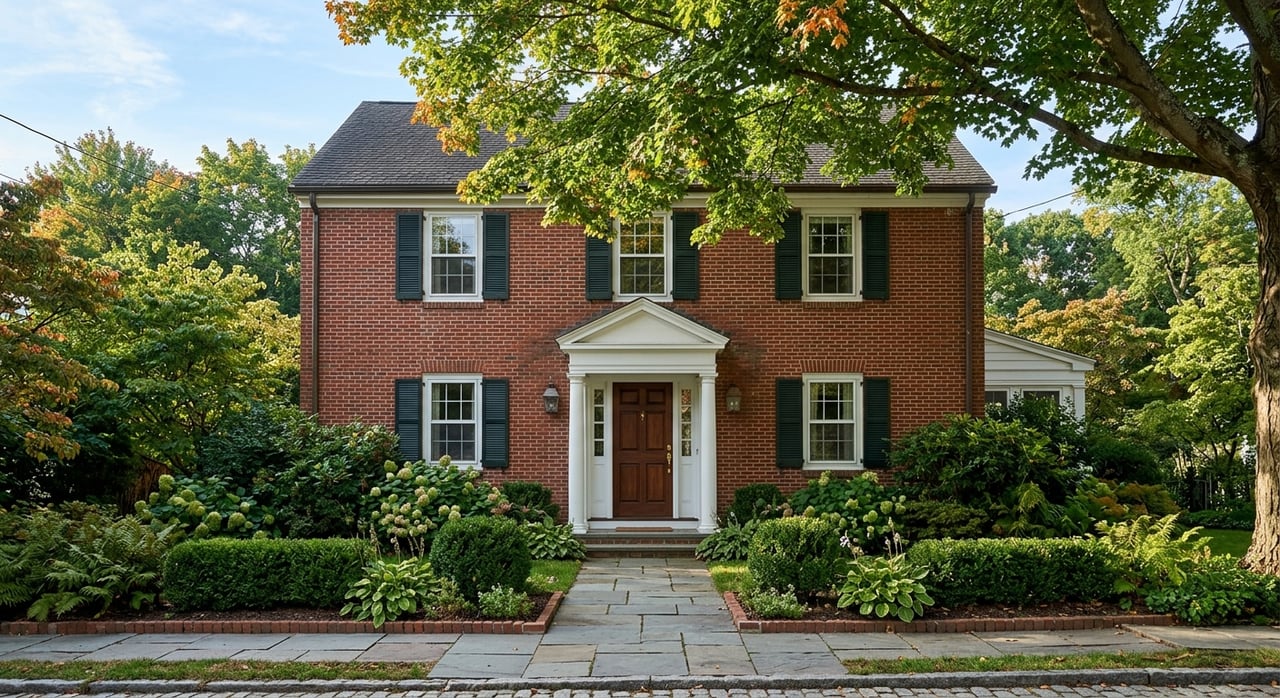
Eastchester First Time Homebuyer Steps From Search to Close
May 14, 2026
May 14, 2026
Buying your first home in Eastchester can feel exciting one minute and overwhelming the next. You are not just picking a house. You are learning a New York buying process, sorting out taxes and closing costs, and trying to make smart decisions on a tight timeline. The good news is that when you understand the steps from the start, the path becomes much clearer. Let’s walk through what to expect from search to close.
Eastchester sits in southern Westchester, about 22 miles from midtown Manhattan according to the Eastchester Union Free School District. The town includes the incorporated villages of Bronxville and Tuckahoe, which means your search may cover homes in different local jurisdictions even when the mailing area feels similar.
That matters because a home’s location affects more than your commute. It can also affect property taxes, local services, and the details you need to confirm before you make an offer. If you are buying in Eastchester, Bronxville, or Tuckahoe, it is smart to look at each property address closely rather than assume every home carries the same costs.
In New York, property taxes can include school, town, county, village, and special-district charges. Because Eastchester includes Bronxville and Tuckahoe, two homes that seem close together may fall into different taxing jurisdictions.
That is why I always encourage buyers to verify the exact tax bill by address. New York tax guidance also recommends reviewing comparable sales and asking the local assessor for a property tax estimate before you make an offer. This step can help you avoid surprises later.
It is easy to focus on the listing price, but first-time buyers need a wider budget picture. Before shopping, lenders typically review your income, assets, employment, savings, debts, and credit report or score.
You also need to plan for the ongoing costs of ownership. Those may include mortgage principal and interest, property taxes, insurance, possible flood insurance, HOA fees, maintenance, and utilities. Looking at the full monthly cost can help you set a search range that feels realistic.
One of the biggest first-time buyer questions is how much cash you need besides your down payment. Closing costs typically range from 2% to 5% of the home price, according to the CFPB, and that does not include your down payment.
You should also leave room for moving expenses, immediate repairs, and the first few months of homeownership. A strong plan gives you more confidence when the right home appears.
New York HCR and SONYMA offer low-interest mortgage options and down payment assistance for eligible buyers. SONYMA generally treats buyers who have not owned a primary residence in the last three years as first-time buyers.
HCR also connects buyers with counseling and education resources. If you are entering the market for the first time, these programs may be worth exploring early, before you begin making offers.
A focused search saves time and reduces stress. In Eastchester, it helps to balance home features with location details like commuting access, tax structure, and property type.
Tuckahoe highlights two train stations and commuter access, while Bronxville is known as a one-square-mile community. Depending on your goals, that may shape how you compare one area to another during your search.
Two homes with similar prices can have very different monthly costs. Taxes, insurance, and any common charges can shift affordability quickly.
As you review options, compare:
This kind of side-by-side review can keep you from stretching for a home that looks affordable on paper but feels different in practice.
Your buying path can look different depending on whether you are buying a single-family home, condo, or co-op. In New York, condos and co-ops often involve added disclosures and more moving parts than a typical single-family purchase.
If you are considering a condo or co-op, the New York Attorney General advises buyers to read the full offering plan and consult an attorney before signing a purchase agreement. That extra review is especially important for first-time buyers.
In New York, the offer-to-contract stage works differently than many buyers expect. After the binder stage, the seller’s attorney typically drafts the contract, and the buyer’s down payment is usually held in escrow.
A real estate contract in New York also usually includes a mortgage contingency. The New York State Bar Association advises buyers to have their own attorney review all contracts and loan documents before signing.
The safest answer is early. In New York, you should have your attorney involved before you sign the contract, and especially before committing to a condo or co-op purchase.
Your attorney handles the legal review, while your lender handles financing approval. My role as your agent is to help keep the process organized, coordinate timelines, and make sure the moving pieces stay on track.
Once you choose a home, move quickly on inspections. The CFPB advises buyers to schedule a home inspection as soon as possible because an independent inspection can reveal serious issues early enough to renegotiate or cancel if the contract allows it.
This is one of the most important protection steps in the process. An inspection gives you a clearer picture of the home’s condition before you move deeper into the transaction.
First-time buyers often mix these up, but they serve different purposes. An inspection looks at the home’s condition, while an appraisal helps support the lender’s valuation.
Most financed purchases need both. Even if a property looks well cared for, an independent inspection can uncover items that are not obvious during a showing.
Beginning July 1, 2025, the New York Department of State says the Property Condition Disclosure Statement is required for residential real property. The form applies to one- to four-family homes rather than condominiums or cooperatives.
It is also important to know what that form does not do. It is not a warranty, and it does not replace your own inspections or environmental tests.
Before closing, buyers in New York should expect title work. The title report is used to identify issues such as liens, judgments, property-line concerns, violations, permits, and unpaid taxes.
Title insurance is also commonly purchased for both the buyer and the lender. This is another behind-the-scenes part of the process that matters a great deal, even if it is less visible than the search itself.
New York tax rules say buyers usually see several charges at closing, including:
In Westchester County outside Yonkers, the mortgage recording tax rate is $1.25 per $100 of mortgage debt secured. If you are purchasing a residential property for $1 million or more, the mansion tax adds 1%.
The lender must send the Closing Disclosure at least three business days before closing. This gives you time to review your final numbers, ask questions, and compare the document to your earlier estimates.
You should also complete a final walk-through before signing. This is your chance to confirm the property is in the expected condition and that any agreed items remain in place.
At closing, the purchase and loan usually become effective at the same time. You sign the final documents, funds are transferred, and title passes by deed.
After that, the deed and mortgage are typically recorded with the county clerk. This recording usually follows the closing rather than happening in the room that day.
Your job is not quite done once the keys are in hand. After closing, save your Closing Disclosure, promissory note, mortgage, and deed in a secure place.
You should also file change-of-address paperwork and stay alert to wire fraud risks. The CFPB and New York Department of State warn buyers to verify wiring instructions directly with trusted contacts.
If the home becomes your primary residence, New York tax guidance says you should register for the STAR credit. This is an easy item to miss when you are juggling move-in tasks, but it is an important post-closing step.
Eastchester purchases can involve a lot of detail in a short period of time. Between budgeting, taxes by address, attorney review, inspections, title work, and closing coordination, first-time buyers benefit from a process-minded approach.
I work closely with buyers across lower Westchester to help make the process feel more manageable and more informed. The goal is not just to get you to the closing table, but to help you get there with clarity and confidence.
If you are thinking about buying your first home in Eastchester, I would be glad to help you map out the steps, narrow your search, and stay organized from the first showing to closing. Connect with April H Monaco Real Estate for personalized guidance tailored to your move.
Stay up to date on the latest real estate trends.


April brings deep market knowledge, sharp negotiation skills, and a refined eye for detail to every coastal property journey.

April Helene Monaco
1 Pelhamwood Ave Village of Pelham NY 10803