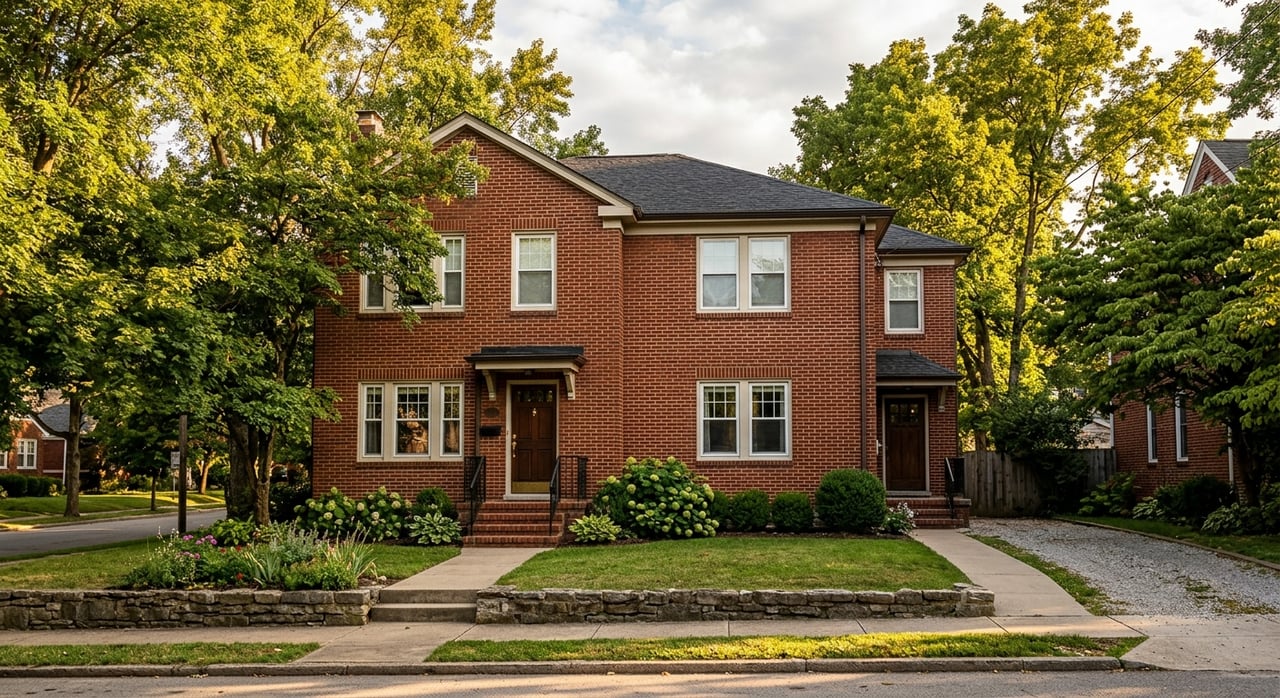
Pelham Investment Property Guide for Smart Small Buyers
May 7, 2026
May 7, 2026
If you’re thinking about buying an investment property in Pelham, it helps to start with one clear truth: this is not a market built for easy cash flow. Pelham is small, expensive, and tightly built, which can make the numbers feel challenging for first-time or small-scale investors. Still, if you understand the local zoning, rent range, and property upkeep rules, you can make smarter decisions and avoid costly surprises. Let’s dive in.
Pelham is a compact village with just 0.82 square miles of land area, 2,458 housing units, and 7,579 residents. That small footprint matters because it limits how much new housing can be added and keeps inventory tight.
For you as a small buyer, that usually means opportunity comes from the right property type, not from chasing volume. In a market like this, a legal two-family or small multifamily in the right zoning district can be far more meaningful than simply buying the biggest home you can afford.
Census data also shows an owner-occupied rate of 67.3%, a median owner-occupied value of $915,800, and median gross rent of $2,299. Those numbers point to a high-cost market where rental demand exists, but where expenses can quickly eat into returns.
If you are coming to Pelham looking for a high-yield play, this village may feel restrictive. Median monthly owner costs are listed at more than $4,000 with a mortgage, which helps explain why many small buyers need to underwrite conservatively.
That does not mean Pelham is a poor fit for investment-minded buyers. It means the strategy is different. Many buyers here are better served by thinking in terms of long-term stability, limited supply, and tenant consistency instead of quick monthly cash flow.
Pelham also appears relatively stable. About 91.8% of residents lived in the same house one year earlier, and the mean commute time is 37.6 minutes, which supports the idea of a commuter-oriented market with lower turnover.
One of the biggest mistakes small buyers make is assuming every house can become an income property. In Pelham, zoning matters, and the answer depends on the district.
The village code shows that some residential districts are limited to detached single-family homes, while others allow two-family or multifamily housing. That means your search should start with legal use, not just layout.
A-1, A-2, and A-3 districts allow detached single-family homes only. B-1 allows detached and semi-detached single-family homes.
If you are shopping in these areas, you should not assume a home can be converted into a two-unit property. That kind of assumption can create major risk if your investment plan depends on rental income from an added unit.
B-2 allows detached single- and two-family homes. Residence M and M-1 allow detached single-family, two-family, and multifamily houses, and Business-2 also allows multifamily use.
For many small buyers, these are the most practical zones to study first. Legal two-family or small multifamily properties are often where you may find a better balance between personal use, rental income, and resale flexibility.
Parking is not a minor detail in Pelham. Village code requires at least two on-site parking spaces for each single- or two-family dwelling unit, and residential parking is generally expected to be on the same lot or in an approved common facility.
That affects more than convenience. Parking can shape whether a property functions well for tenants, whether a future buyer sees value in it, and whether a planned use is even practical.
Before you get too attached to a property, look carefully at the lot, driveway, and any existing parking arrangement. In a tight village setting, that piece of the puzzle can have a real impact on both day-to-day usability and long-term appeal.
The most reliable local rent anchor in the research is the Census figure, which shows a median gross rent of $2,299. Spring 2026 portal estimates landed in a similar range, with Zillow reporting an average rent of $2,350 and RentCafe reporting $2,237.
Those numbers are close enough to suggest that rents in Pelham generally sit in the mid-$2,000s, but you should still treat them as directional. In a small market with thin rental inventory, a handful of listings can move average figures pretty quickly.
Zillow reported just 18 active rentals at the time of the research. That is a useful reminder that Pelham is not a large rental market, so pricing should be based on actual property fit, condition, and legal use rather than broad assumptions.
Pelham’s average household size is 3.18 people. That suggests family-sized rentals and well-located two- or three-bedroom units may be more relevant here than studio-heavy inventory.
For a small buyer, that can shape your search in a practical way. A property with a sensible layout, usable bedrooms, and functional parking may align better with local demand than a property that looks attractive on paper but does not fit how households actually live.
In Pelham, careful math matters. Gross rent needs to cover more than the mortgage. You also need to account for taxes, insurance, upkeep, reserves, and possible compliance costs.
Because owner costs are already high in this market, many small buyers may find that appreciation potential and tenant stability matter as much as immediate monthly income. That is especially true if you are buying a property that needs updates or has limited room for operational error.
A conservative approach often means asking simple questions early:
Pelham’s housing code puts real emphasis on habitability and upkeep. Residential buildings must remain structurally sound, sanitary, and weatherproof, and features like roofs, walls, stairways, porches, railings, and windows must be kept in good repair.
The code also requires that lead-paint hazards be addressed and that dangerous accumulations of ice and snow be removed. For a small buyer, that means maintenance is not something to postpone indefinitely. It is a core part of owning and operating property here.
If you are considering a multiple residence, recurring upkeep may be even more important. Village code states that, if not otherwise covered by rent control or agreement, each dwelling unit in a multiple residence must be painted at least once every three years.
A 2024 village notice states that buildings and structures other than one- and two-family homes are subject to annual fire safety and property maintenance inspection. The same notice says applicable permits are not issued or renewed until inspection requirements are met.
That is important if you are comparing a small multifamily building to a one- or two-family property. The operating model may differ, and so can the inspection environment.
Before buying a property with an addition, conversion, or changed use, you should verify permit and certificate status with the Pelham Building Department. The department issues permits, performs inspections, maintains records, and provides closing certificates for sale and refinance work.
This step can save you from buying into a problem that is expensive to correct later. A finished basement, extra kitchen, altered layout, or previous conversion may not mean what you think it means unless the records support it.
For small buyers especially, avoiding hidden compliance issues can be just as important as negotiating the purchase price. A deal that looks attractive at first can quickly lose its appeal if you inherit permit problems or use restrictions.
In my view, Pelham works best for buyers who stay disciplined and local in their thinking. This is typically a market where scarcity, stability, and careful selection matter more than chasing a flashy return projection.
A strong strategy often looks like this:
That kind of approach fits Pelham better than speculation. It also gives you a clearer framework for deciding whether a property supports your goals.
Because Pelham is so compact and property types are concentrated, local knowledge really matters. Two homes at similar price points can carry very different investment potential depending on zoning, parking, layout, permit history, and maintenance needs.
That is where experienced local representation can make a real difference. When you are trying to buy smart in a high-cost village, details matter, and so does having someone who understands how Pelham inventory actually behaves.
If you are weighing a two-family, small multifamily, or rental-minded purchase in Pelham, I can help you look at the opportunity through a practical local lens. For tailored guidance on available properties, zoning fit, and next steps, connect with April H Monaco Real Estate.
Stay up to date on the latest real estate trends.

April brings deep market knowledge, sharp negotiation skills, and a refined eye for detail to every coastal property journey.

April Helene Monaco
1 Pelhamwood Ave Village of Pelham NY 10803