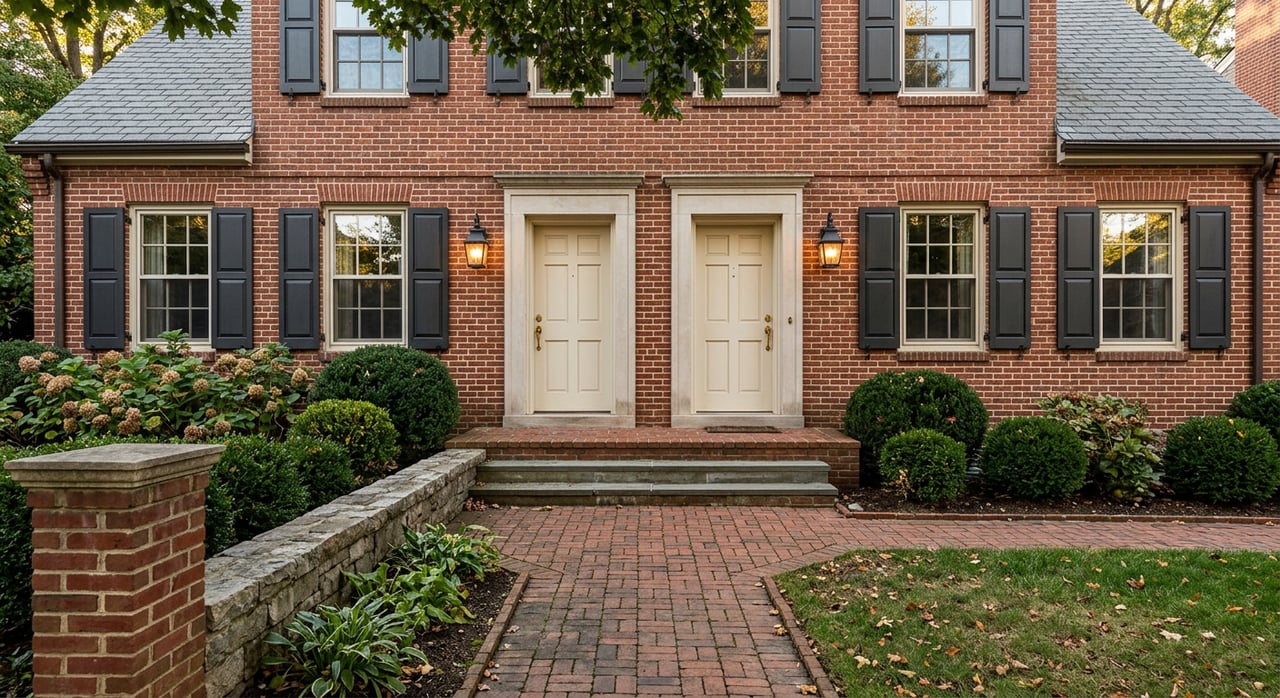
Comparing New Rochelle Single Family and Multifamily Homes
March 24, 2026
March 24, 2026
Should you buy a classic single-family home or a small multifamily in New Rochelle? If you want a quick commute, strong neighborhood feel, and long-term value, both paths can work. The best choice comes down to lifestyle, carrying costs, and local rules that affect income and upkeep. In this guide, you’ll get a clear, local comparison, plus the key zoning, financing, and compliance steps to check before you make an offer. Let’s dive in.
New Rochelle blends suburban blocks with a dense, transit-friendly downtown. Ongoing downtown planning and redevelopment efforts support demand for both owner-occupied homes and rentals near transit and amenities. You can learn more about the city’s redevelopment vision in the state’s Downtown Revitalization Initiative materials for New Rochelle’s core area, which explain the transit-oriented growth strategy and project map (New York State DRI plan PDF).
The housing stock is mixed, with more multifamily units than single-family overall. The City’s Consolidated Plan reports about 58% of homes are multifamily, roughly 38% are one-unit detached, and about 16% are 2–4 unit buildings out of a total inventory near 30,014 at the time of that report (City Consolidated Plan).
Much of the housing is older. Many homes were built before 1950, and a high share before 1980, so you should expect routine deferred maintenance and lead-paint compliance considerations on many properties (City Consolidated Plan). Rental demand is active near downtown and transit, but rents and absorption vary by building type and location.
New York State operates a Lead Rental Registry pilot for designated high-risk communities, and New Rochelle is among the localities of concern. If you buy a rental property built before 1980, expect registration, inspection, and potential abatement obligations under the program. Grants or pilot resources may be available in some cases. Confirm scope and timelines before you commit (NY HCR Lead Prevention Program).
Multiple-dwelling properties in New Rochelle can require registration, and any open building or housing code violations may affect closing timelines. Ask for the compliance file and recent inspection history, and plan for corrections as needed (Code Enforcement).
The City amended zoning language in 2023 to define “transient” and “non-transient” occupancy, which helps guide enforcement around short-term rentals. If you plan to host, confirm whether owner-occupied or whole-home hosting is allowed for your zone and building type, and what permits apply. Start by reviewing the 2023 ordinance update and then check current code text and zoning district rules with the City (2023 zoning amendment summary).
New Rochelle’s Downtown Overlay Zone (DOZ) is a form-based overlay designed to concentrate higher-density mixed-use development downtown and near transit. The City continues to refine the DOZ, with public hearings and proposed amendments noted over time. If you are considering a small multifamily or a property with expansion potential, verify the parcel’s base zoning, whether it sits in the DOZ, and whether any map or text amendments are pending (DOZ code reference).
Many loan programs allow you to buy a 2–4 unit property if you will live in one unit as your primary residence. These products often have different down-payment and reserve requirements than pure investor loans, along with occupancy certification rules. Your lender will outline the exact standards for your situation (owner-occupant 2–4 unit basics).
Buying a 2–4 unit strictly as an investment typically requires a larger down payment, higher interest rates, and stronger reserves. Underwriting standards vary by lender and market, so compare quotes and documentation needs early (investor loan overview).
Loan limits change annually and are higher in high-cost counties such as Westchester. The limit you qualify for can influence whether your mortgage is conforming or jumbo, which affects pricing and documentation. Always check the current FHFA-aligned limits for Westchester for your purchase year (conforming loan limit guide).
Westchester property taxes are relatively high by national standards and are set by multiple jurisdictions, including the City, County, school district, and library system. Pull the last three years of tax bills for any property you are considering and ask about exemptions or pending assessments (New Rochelle Tax Office).
Insurance premiums for small multifamily can be higher than for single-family homes. If you plan any short-term hosting, confirm your coverage type and exclusions early. For older rentals, budget for lead inspections, testing, and possible abatement. State pilot resources may help in designated situations (NY HCR Lead Prevention Program).
Rental income potential in New Rochelle depends on unit mix, finishes, parking, and proximity to transit and downtown. New development near the core adds competition, which can influence achievable rents. Use current MLS comps and advertised listings when modeling income and assume realistic vacancy.
Small multifamily expense ratios are often higher than single-family ownership due to common area utilities, maintenance, turnover, and insurance. Model both operating expenses and periodic capital items like roofs, windows, and boilers. Trade coverage has noted strong investor interest in Westchester’s transit-served cities, but higher land and construction costs can compress cap rates compared with more distant markets (Westchester multifamily market overview).
For resale, single-family homes usually attract a broader buyer pool, which can aid liquidity. Small multifamily buyers are more specialized, though New Rochelle offers a meaningful base of 2–4 unit comparables. Your pricing strategy should reflect neighborhood comps and current investor appetite (City Consolidated Plan).
Use this simple framework to compare a single-family to a duplex you would occupy.
Single-family monthly picture
Owner-occupied duplex monthly picture
If the duplex net cost is similar to, or lower than, the single-family scenario and you are comfortable with landlord duties, a 2–4 unit can be compelling. If privacy and simplicity rank highest, a single-family may win even if the monthly cost is a bit higher.
If you are weighing privacy against income potential, I can help you see both paths clearly. With 25+ years in lower Westchester and a boutique, hands-on approach, I will walk you through zoning, inspections, financing options, and neighborhood fit, then negotiate the right deal for your goals. When you are ready, reach out to April H Monaco Real Estate to start a focused, confidence-building search.
Stay up to date on the latest real estate trends.

April brings deep market knowledge, sharp negotiation skills, and a refined eye for detail to every coastal property journey.

April Helene Monaco
1 Pelhamwood Ave Village of Pelham NY 10803