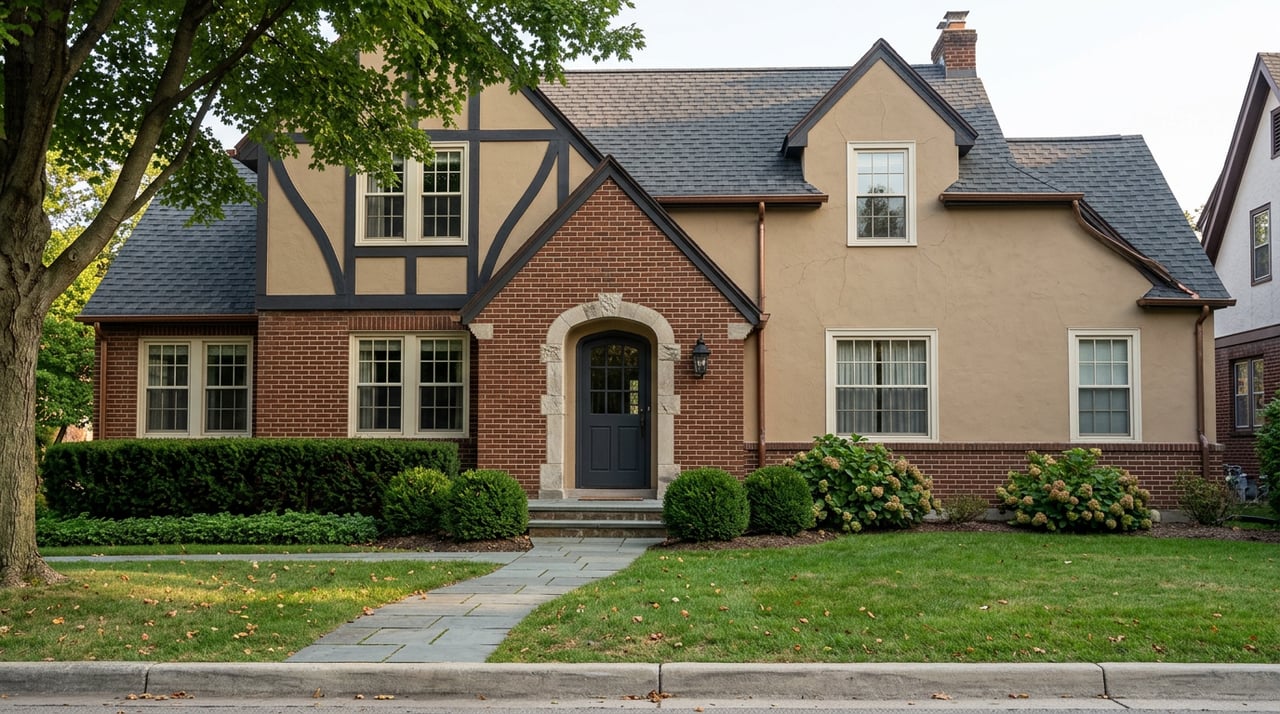
Bronxville Architecture Homes: A Buyer’s Overview
March 5, 2026
March 5, 2026
Are you drawn to storybook Tudors, classic Colonials, or a walk-to-train lifestyle near New York City? If you are exploring Bronxville, you want a clear picture of what the architecture means for your budget, maintenance, and day-to-day living. In this overview, you will learn where each home type clusters, what common inspections uncover, and how to plan smartly for co-op or single-family ownership. Let’s dive in.
Bronxville is a one-square-mile village in the Town of Eastchester, about 15 to 16 miles north of Midtown, with a compact, walkable downtown centered on Pondfield Road. Much of the Village enjoys easy access to the Metro-North Harlem Line at Bronxville station, with express travel times to Grand Central often described in the high-20s to low-30 minutes, depending on the train. You will see a mix of single-family homes, townhouses, and co-ops in older apartment buildings around the core. For a quick local overview of setting and services, see the Village’s About Bronxville page.
As a snapshot of community context, the 2020 U.S. Census lists a population of 6,656, and the American Community Survey shows an owner-occupied housing rate of about 82.4% with a median value of owner-occupied housing at $1,137,700 for 2019–2023. You can view those baseline figures on Census QuickFacts.
If you want a concentrated area of high-character homes, start in Lawrence Park. Created in the 1890s as a planned enclave for artists and professionals, it features Colonial Revival, Shingle Style, Classical Revival, and Tudor Revival houses on winding streets and wooded slopes. Many homes retain original exterior features and sit on hillsides and rocky ledges, which shape both curb appeal and site conditions. Get a helpful overview in the Lawrence Park Historic District summary.
Beyond Lawrence Park, you will find many early 20th-century Tudor Revival and Colonial Revival homes on relatively compact lots across the Village. These are the stately, traditional facades many buyers picture when they think of Bronxville. Streetscapes often include mature landscaping, interesting rooflines, and period details that reward preservation-minded owners. The Village describes these neighborhoods as influenced by Tudor, Colonial, and some Victorian-era styles, which you will notice as you tour.
Closer to Pondfield Road and the train station, you will encounter prewar co-ops, garden apartments, and smaller multifamily buildings. These co-op buildings, including 1920s apartment-hotel-style properties, often provide the lowest entry prices into the Village market compared with single-family homes. Newer condo projects exist on a smaller scale but are not the dominant ownership path in the Village. For a plain-English primer on rules, board approvals, and financials, see this co-op ownership guide.
The Village of Bronxville is not the same as ZIP code 10708. The 10708 postal area includes parts of Yonkers and Eastchester with different zoning and housing mixes. If school district eligibility matters to you, confirm that a property is inside the one-square-mile Village and verify details with the district. A local mayor’s note explains the geography and common questions about boundaries in this helpful overview.
Market medians vary based on whether a report covers the Village only, the broader 10708 ZIP code, and whether it focuses on single-family homes or includes co-ops. A local brokerage summary for 2024 reported a Village single-family median sale price near $2.8M and a co-op median around $687K, with tight inventory in the Village. Those figures were compiled in a local market recap you can review here.
Because different services use different geographies and housing mixes, you will sometimes see very different medians. For example, aggregated consumer tools that include a higher share of smaller unit sales can show lower overall median prices. When you compare reports, always note the boundary and property type.
As a local advisor, I help you sort apples from apples by clarifying whether a data set reflects Village-only single-family homes or includes co-ops and nearby neighborhoods.
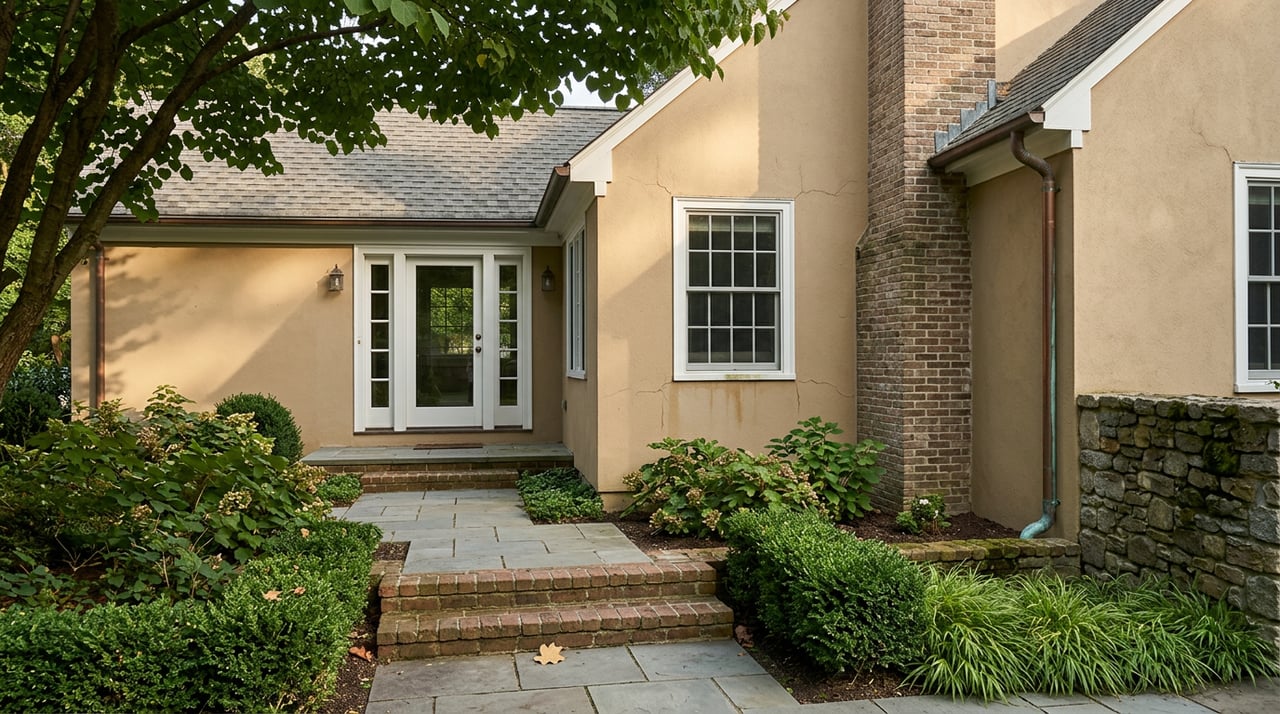
Bronxville Tudors often feature steep gables, half-timber and stucco or masonry veneers, tall decorative chimneys, casement or leaded windows, and, on higher-end examples, slate roofs. Slate can last a century or more when maintained with spot repairs, but expertise matters. The National Park Service offers preservation-minded guidance for evaluating and repairing slate, which you can review in this NPS brief on slate roofs. For stucco and half-timber repair, plan on trades with historic experience, and use appropriate mortars for chimney and masonry repointing.
What you will notice as a resident: winter drafts may appear near original casements if weatherstripping is tired, and gutters need steady attention to protect stucco and masonry from saturation. Many owners tackle phased capital plans that start with roof, drainage, and chimney priorities.
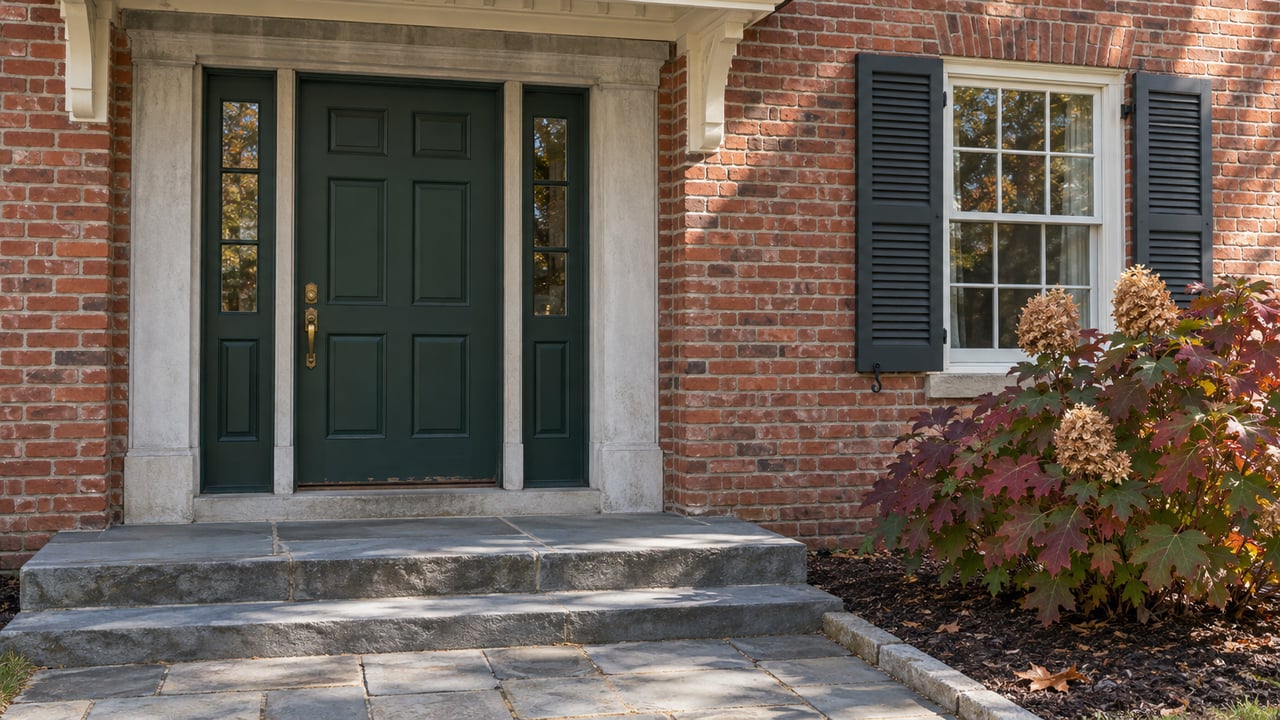
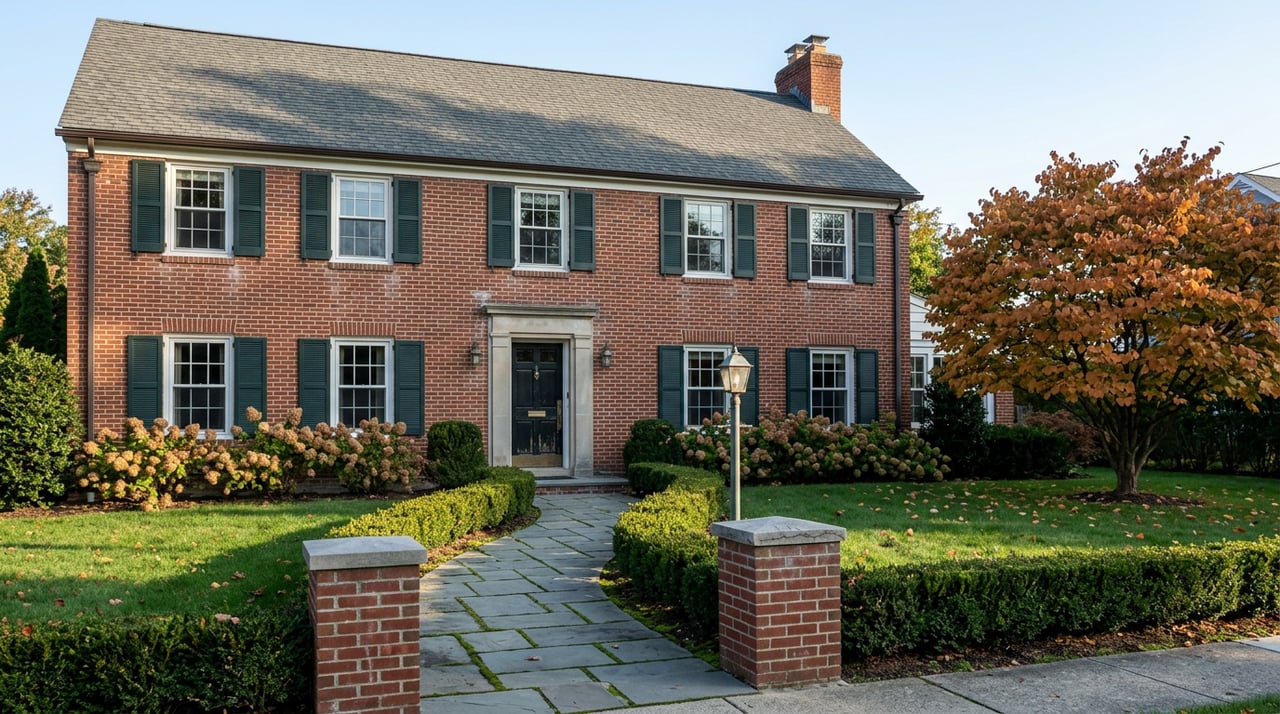
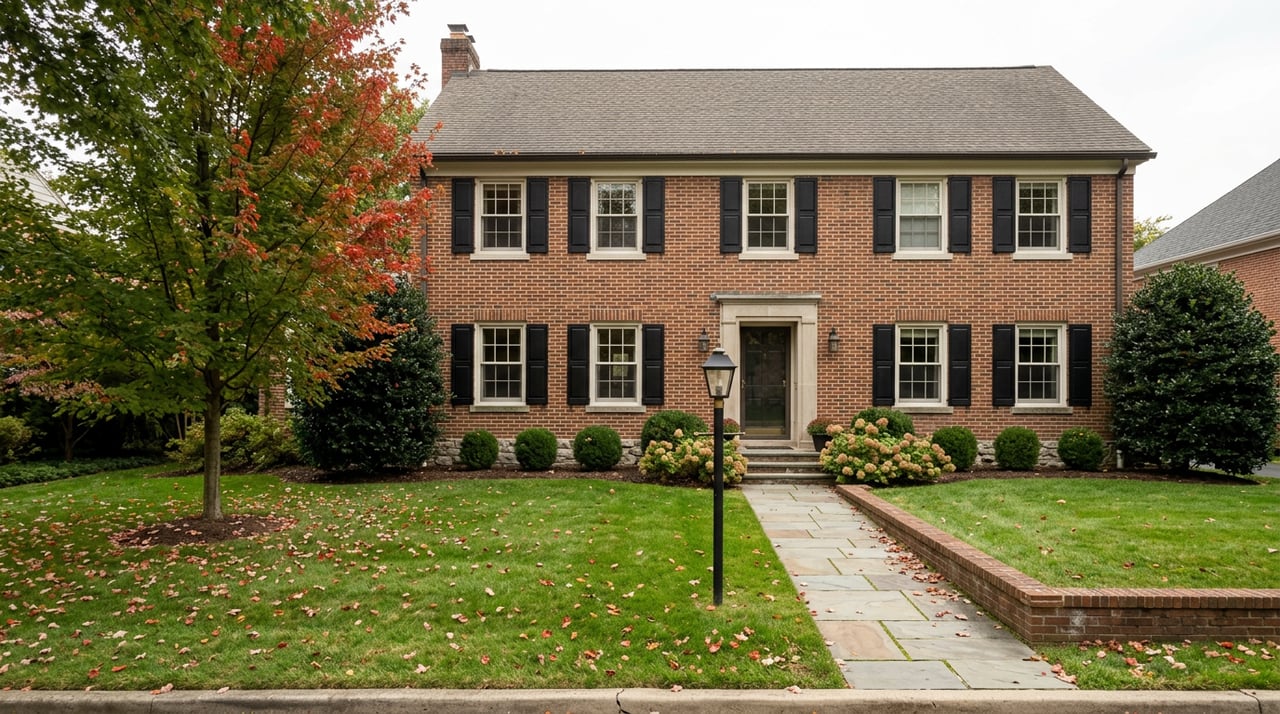
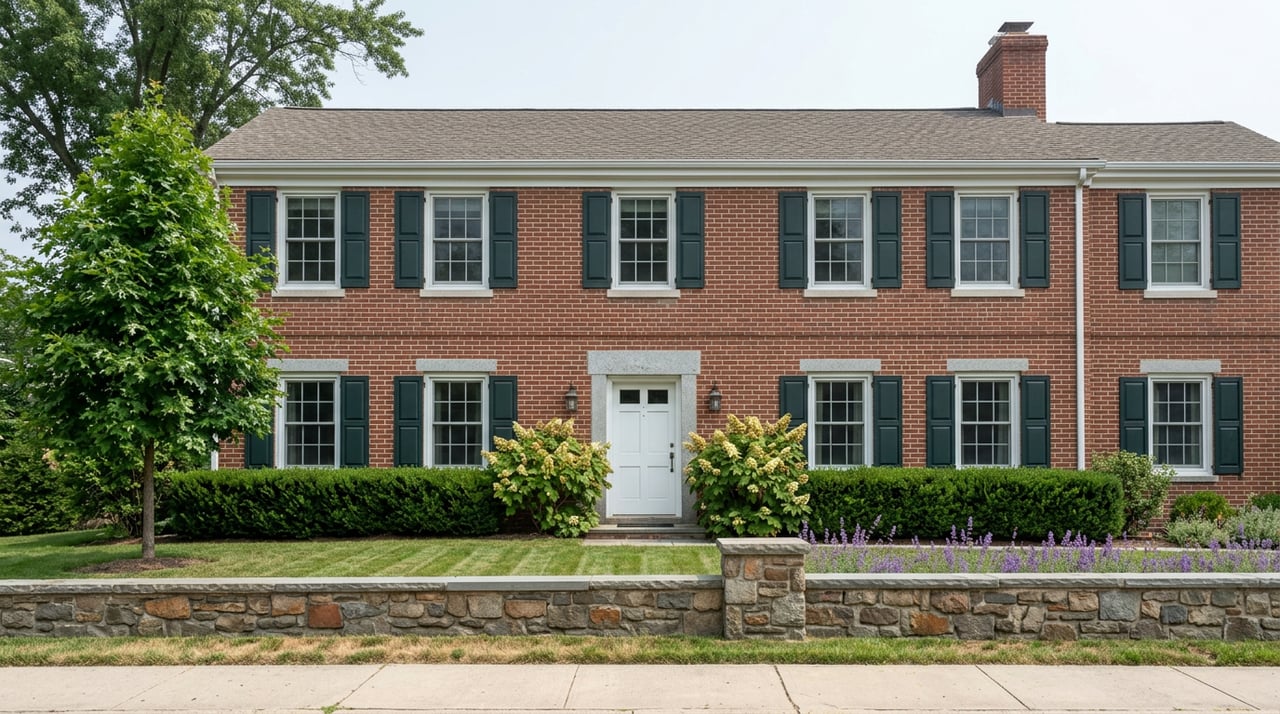
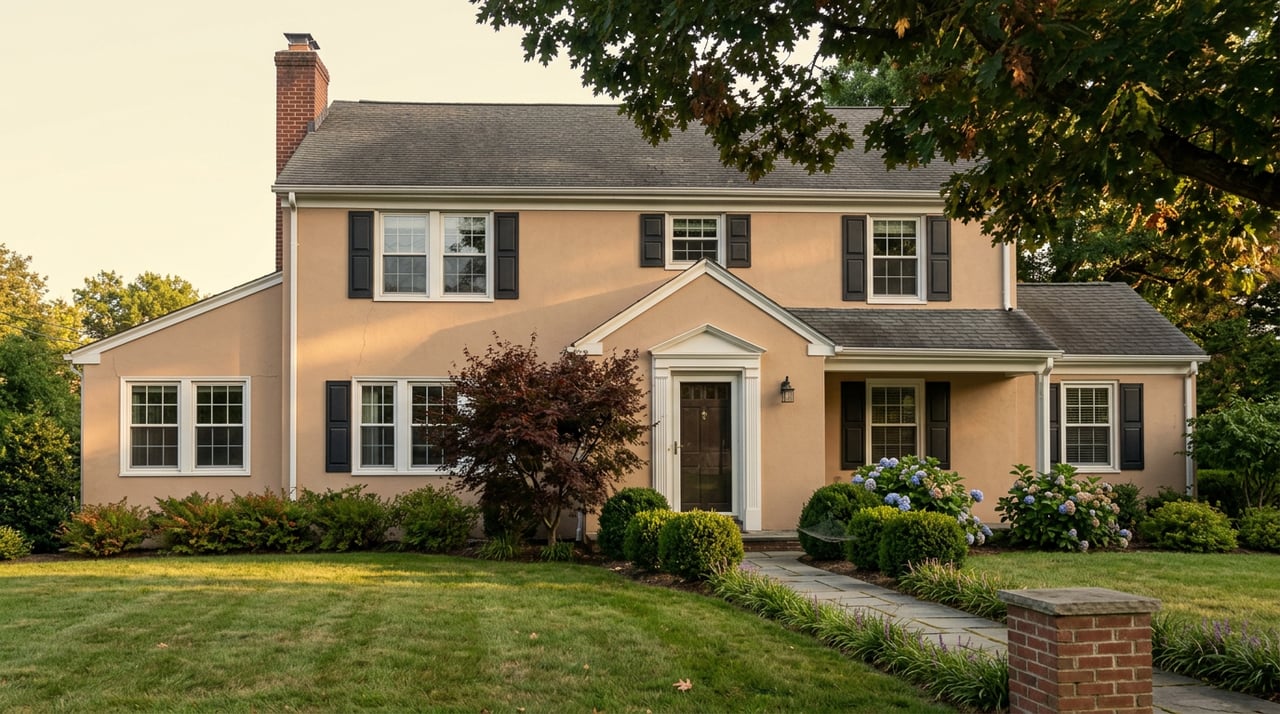
Colonial Revival and Georgian-influenced homes often have symmetrical facades, wood clapboard or brick, and double-hung sash windows. Shingle Style homes use continuous shingle cladding, generous porches, and rambling massing that delivers character. Expect routine exterior painting on wood-clad homes and thoughtful window maintenance that favors repair over replacement when feasible. Preservation guidance from the NPS generally supports careful repair of original materials to retain character and manage costs over time.
In Bronxville, co-ops range from prewar walk-ups to 1920s apartment blocks and a handful of newer buildings. As a shareholder, you pay a monthly maintenance that typically covers the building’s property taxes, insurance, staff, some utilities for common services, and contributions to reserves. Boards set approval, sublet, and renovation rules. The tradeoff is clear: co-ops often cost less to buy than single-family homes, but you should review the financial statements, reserve levels, and any planned capital projects. For a plain-language refresher, read this co-op primer.
If Bronxville feels like the right fit, I will help you line up the right inspections, confirm Village vs. 10708 boundaries, and compare co-op and single-family paths clearly. With 25+ years advising buyers and sellers across lower Westchester, I bring a steady, boutique approach backed by strong negotiation and local insight. Let’s build a plan that fits your budget, timeline, and lifestyle.
To get started or to talk through your search, reach out to April H Monaco Real Estate. I look forward to helping you land the right home with confidence.
Stay up to date on the latest real estate trends.

April brings deep market knowledge, sharp negotiation skills, and a refined eye for detail to every coastal property journey.

April Helene Monaco
1 Pelhamwood Ave Village of Pelham NY 10803