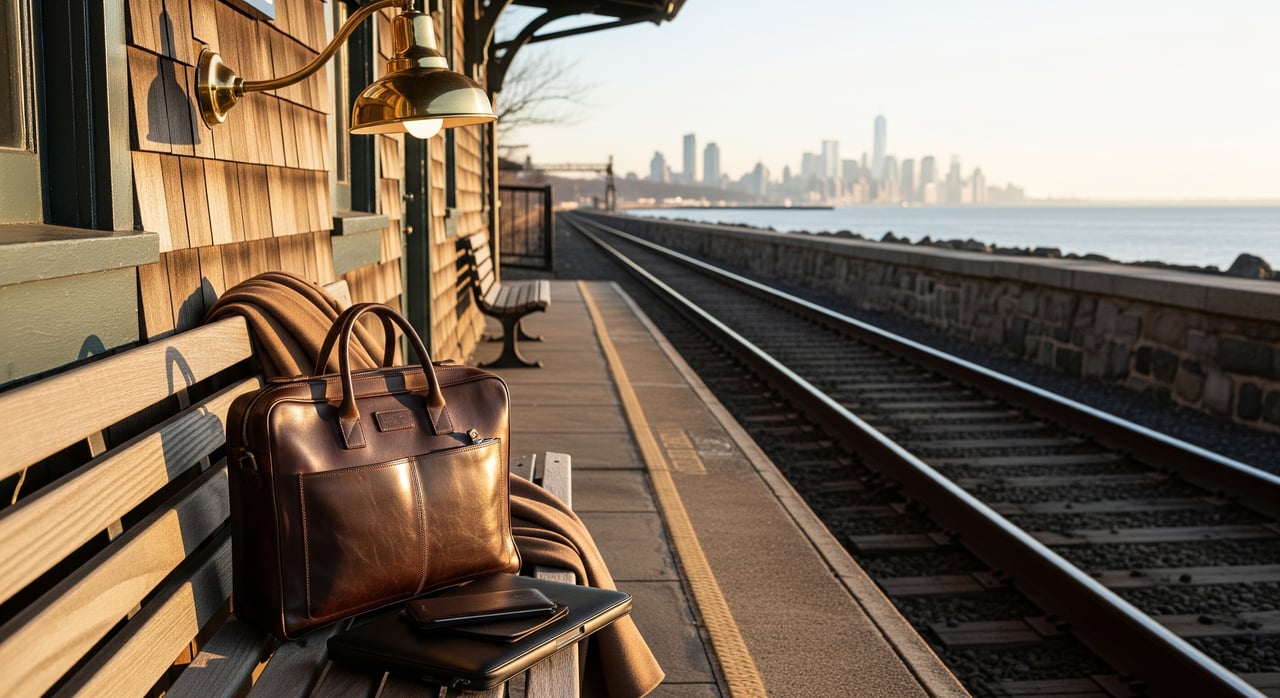
Your Rye to NYC Commute: Routes, Timing & Tips
December 4, 2025
December 4, 2025
Thinking about living in Rye and commuting to New York City? You are not alone. Many buyers choose Rye for its coastal feel, downtown convenience, and reliable train access to Manhattan. In this guide, you will see the core options, typical travel times, parking realities, and smart planning tips so you can match your commute to your life. Let’s dive in.
The Metro-North New Haven Line is the primary way Rye commuters reach Manhattan. Most riders go to Grand Central Terminal in Midtown East. You will find a mix of local and limited or express trains, with faster runs during peak hours.
On peak express trains, the ride is typically about 40 to 60 minutes. Local trains can take longer, often 55 to 75 minutes. Your exact time depends on the specific train you choose and the time of day.
If your office is near Penn Station or the West Side, plan extra time for a transfer. A subway or other rail connection usually adds 15 to 30 minutes or more. Expect roughly 60 to 90 minutes door to door depending on transfers, walking, and waits.
Weekday peak periods have the most frequent service. Midday, evenings, and weekends run fewer trains with more local stops. For time-sensitive days, identify the exact train numbers that fit your schedule and build in a buffer for occasional delays.
Metro-North offers peak and off-peak one-way tickets, 10-trip tickets, and monthly passes. If you ride most weekdays, a monthly usually gives the best value per trip. Mobile ticketing is available through official apps so you can skip the line and keep your ticket on your phone.
Rye station offers typical commuter amenities and bike storage options. Crowding can occur at rush hour, so arrive a bit early to position yourself on the platform. If accessibility is important, review the station details in advance and plan your path from platform to street.
Some commuters drive into the city or combine driving with transit. Typical routes include I-95, the Hutchinson River Parkway, and the Merritt Parkway for regional access. Travel times can match train times during off-peak periods, but traffic can add significant delays during peak hours.
Rye station parking is a mix of municipal lots, permit spaces, daily meters, and possibly private options. Many commuters use seasonal permits, and some lots may have application deadlines or waitlists. Lots can fill early on weekdays, so a backup plan is helpful.
What to consider:
Rye is walkable around the downtown and station area, and many residents choose to walk or bike when weather allows. Westchester Bee-Line buses provide local connections within Rye and to nearby communities. Rideshare and taxis are common for drop-off or pick-up at the station. If you need accessibility or paratransit services, check eligibility and booking requirements ahead of time.
Your commute should support your day, not control it. If you want help matching a Rye-area home to a clear, low-stress NYC commute plan, I am here to help. With 25-plus years advising Westchester buyers and sellers, I can help you weigh train schedules, parking options, and neighborhood logistics that fit your routine. Let’s align your home search with your workday so you can move with confidence. Reach out to April H Monaco Real Estate to get started.
Stay up to date on the latest real estate trends.

April brings deep market knowledge, sharp negotiation skills, and a refined eye for detail to every coastal property journey.

April Helene Monaco
1 Pelhamwood Ave Village of Pelham NY 10803